





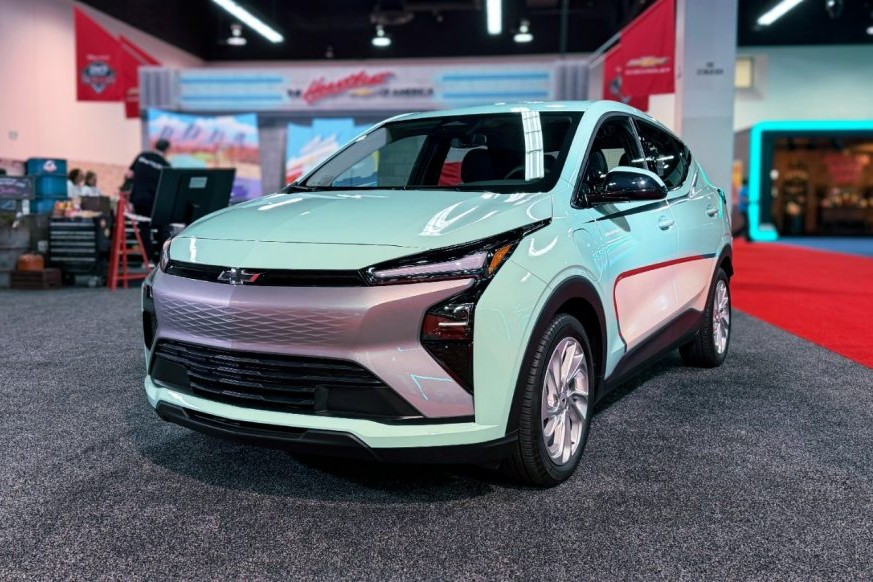
Chevrolet is putting a real-world spin on one of Pixar’s most beloved automotive stories. To celebrate the 20th anniversary of Cars, Chevrolet teamed up with Pixar and Disney to transform two modern vehicles—the 2026 Chevrolet Colorado and 2027 Chevrolet Bolt—into life-size versions of fan-favorite characters Ramone and Flo.
The unique Chevrolet vehicles were showcased at D23: The Ultimate Disney Fan Event, Disney’s flagship fan convention. Designed by Disney and brought to life through custom vinyl wraps by Graphix Concepts, the project blends Chevrolet design with the unmistakable personality of the Cars franchise.
Celebrating 20 Years of Pixar’s Cars
It has been two decades since Cars first debuted at Lowe’s Motor Speedway in Concord, North Carolina. Produced by Pixar Animation Studios for Walt Disney Pictures, the animated movie arrived in U.S. theaters on June 9, 2006, and quickly became a favorite among children and adults around the world.
The movie also introduced audiences to Lightning McQueen, Mater, Sally, Ramone, Flo and a memorable collection of automotive characters. Lightning McQueen’s famous “Ka-Chow” has become part of American pop culture, demonstrating just how strongly Cars has connected with audiences over the years.
For the 20th anniversary, Disney and Chevrolet found a natural way to bring two of those characters into the real world.
A Chevrolet Colorado Becomes Ramone
The 2026 Chevrolet Colorado takes on the personality of Ramone, the stylish low-riding character from Radiator Springs. The connection between Ramone and Chevrolet is particularly fitting because the character’s original form is based on a 1959 Chevy Impala.
Rather than completely hiding the Colorado beneath graphics, the design team wanted the modern Chevrolet truck to remain recognizable. The goal was to balance Ramone’s distinctive character styling with the Colorado’s own body lines, sheet metal and design.
The Colorado required a particularly complex wrapping process because of its gradient hues and detailed graphics. Installers carefully divided the design into multiple panels, with even the door handles receiving separate printed sections. For an added visual effect, the team used a silver metallic printable specialty film designed to mimic the appearance of paint with metallic flake.
The result is a Chevrolet Colorado that looks unmistakably inspired by Ramone while still showcasing the design of a modern Chevy truck.
The Chevrolet Bolt Gets a Flo Makeover
Alongside Ramone, Chevrolet also brought Flo into the real world with a 2027 Chevrolet Bolt. Flo is one of the most recognizable characters from Cars, and her design was inspired in part by the 1951 Buick XP-300.
The choice of the Chevrolet Bolt gives Flo a modern electric twist. The Bolt represents Chevrolet’s electric vehicle direction while offering a playful interpretation of a character whose original design dates back to classic automotive styling.
Unlike the more intricate Colorado design, Flo’s Bolt used a continuous-color wrap. Installers divided the vinyl into panels based on the size and shape of each area being covered, creating a clean and consistent finish across the vehicle.
Gas Power and EV Technology Together
One of the most interesting aspects of the project is Chevrolet’s decision to showcase both an internal-combustion vehicle and an electric vehicle. The pairing reflects General Motors’ broader focus on giving customers choice while continuing to serve strong demand for gas-powered vehicles and expanding its electric vehicle lineup.
The 2026 Chevrolet Colorado represents the traditional gas-powered side of the Chevrolet lineup, while the 2027 Chevrolet Bolt brings an EV into the celebration. Together, the two vehicles demonstrate how Chevrolet can connect its current vehicle portfolio with the timeless automotive personalities of Pixar’s Cars.
Behind the Chevrolet Cars Character Transformation
Turning a Chevrolet Colorado and Bolt into movie characters required more than simply applying colorful graphics. Before the wrapping process began, both vehicles underwent a thorough cleaning to ensure their surfaces were free from contaminants, fingerprints and oils that could interfere with the vinyl installation.
At the same time, graphic designers prepared production-ready files for the wraps. Applying automotive vinyl requires significant experience, and the specialized knowledge involved is often passed from experienced installers to newer members of the team.
Graphix Concepts, the company responsible for applying the wraps, is a small and specialized operation with a team of just 12 people. Everyone contributed to the project at some point, and the complete wrapping process took approximately one week across both vehicles.
Chevrolet and Disney: A Longstanding Partnership
The project is also part of a much longer relationship between GM and Disney. Their collaboration dates back to the 1982 World of Motion attraction at EPCOT. Today, GM is the Official Vehicle Sponsor of Walt Disney World Resort and serves as the Presenting Sponsor of the Test Track attraction.
That longstanding relationship made D23 a fitting location for Chevrolet to showcase the Cars-inspired vehicles. With thousands of Disney fans gathering for announcements, experiences and brand activations, the event provided the perfect setting for Chevrolet to combine automotive innovation with pop-culture nostalgia.
Chevrolet Meets the World of Cars
The Chevrolet Colorado and Chevrolet Bolt transformations demonstrate how automotive design can become part of storytelling. Instead of simply placing movie graphics on two vehicles, Chevrolet, Disney and Pixar created full-size interpretations of characters that already have deep connections to car culture.
Ramone’s transformation into a Chevrolet Colorado celebrates Chevrolet’s connection to classic American automotive design, while Flo’s transformation into a Chevrolet Bolt highlights the brand’s electric future. Together, they create a fun and memorable tribute to 20 years of Pixar’s Cars.
For Chevrolet fans, Pixar enthusiasts and anyone who grew up saying “Ka-Chow,” these one-of-a-kind vehicles offer a new way to experience the world of Cars—this time, in the real world.
Chevy’s Impala Collab with Devin Booker

Chevrolet is taking its connection to classic car culture in a fresh direction through a new collaboration with NBA All-Star Devin Booker and Nike. The Nike Book 2 sneaker collection draws directly from Booker’s personal collection of vintage Chevrolet Impalas, blending the legacy of iconic Chevy cars with modern sneaker design.
The collaboration builds on the success of last year’s sold-out Book 1 collection, which was inspired by Booker’s classic Chevy Blazers. This time, the spotlight shifts to the Chevrolet Impala, a vehicle that has played a major role in Booker’s lifelong passion for classic cars and his connection to his Michigan roots.
Devin Booker’s Love of Chevrolet Impala Cars
For Devin Booker, classic Chevrolet cars are more than collectibles. His vintage vehicles reflect a personal passion that he has carried throughout his life. His collection, which he calls “The Library,” includes several Chevrolet Impalas that became the inspiration for the new Book 2 sneaker collection.
The first sneaker, called “Pretty Penny,” takes its design cues from Booker’s 1959 Chevrolet Impala convertible. The car holds particular significance because it was the vehicle that sparked Booker’s classic car obsession.
The broader Nike Book 2 collection features four sneakers, with each design inspired by a different Impala from Booker’s collection. The shoes correspond to model years ’58, ’59, ’62 and ’63, creating a direct connection between the sneakers and the vintage Chevrolet vehicles that inspired them.
Turning Vintage Chevy Details Into Sneaker Design
One of the most interesting aspects of the Chevrolet and Devin Booker collaboration is how closely the sneakers reflect the cars themselves. Each Nike Book 2 design matches the paint color of the corresponding Impala while incorporating subtle automotive-inspired details.
The tongue tops, for example, are designed to match the hood ornaments of the vehicles that inspired each sneaker. The model year of each classic car is also incorporated into the corresponding shoe, giving fans another connection to Chevrolet’s automotive heritage.
The collection extends beyond the sneakers. It also includes a “Heartbeat of America” T-shirt, drawing inspiration from Chevrolet’s iconic 1980s and 1990s anthem. The sneakers arrive in a custom shoebox inspired by vintage Chevrolet Accessories packaging, featuring kraft-paper construction, bold teal-and-orange graphics and oversized lettering.
A Collaboration Rooted in Michigan
The Chevrolet collaboration has an especially strong connection to Michigan, where Booker’s passion for classic Chevy vehicles meets the culture surrounding Detroit’s automotive history.
The first Nike Book 2 release will take place in Detroit during the Woodward Dream Cruise on Saturday, August 15. The annual event is one of the best-known celebrations of classic car culture, bringing thousands of vintage automobiles and enthusiasts to the historic Woodward Avenue in Metro Detroit.
Booker’s “Pretty Penny” will join approximately 40,000 vintage cars cruising Woodward Avenue during the event. That setting makes the first release particularly fitting: a sneaker inspired by a 1959 Chevrolet Impala will debut at one of North America’s biggest gatherings of classic car enthusiasts.
When the Nike Book 2 “Pretty Penny” Releases
The Nike Book 2 “Pretty Penny” will receive an early release in Detroit on August 15 during the Woodward Dream Cruise, followed by a global release on August 26. Detroit fans can enter through SNKRS Pass on August 14 to reserve a pair ahead of the limited release.
The remaining three sneakers in the Chevrolet-inspired Book 2 collection are scheduled to become available in December 2026.
With its combination of basketball, sneaker culture and classic automobiles, the collection gives Chevrolet a distinctive way to connect its heritage with a new generation of fans.
Chevrolet and Devin Booker Celebrate a Shared Passion
The Chevrolet and Devin Booker partnership demonstrates how automotive heritage can influence culture well beyond the road. Booker’s genuine enthusiasm for vintage Chevrolet Impalas gives the collaboration an authentic foundation, while Nike transforms the visual character of those cars into a contemporary sneaker collection.
As Scott Bell, vice president of Global Chevrolet, noted in the announcement, seeing an All-Star like Booker draw genuine inspiration from classic Chevys highlights the enduring emotional connection people have with iconic Chevrolet vehicles.
For Chevrolet, the Book 2 collaboration is another example of how the brand’s history can inspire contemporary design. For Devin Booker, it is a chance to bring together three things that are central to the project: his Michigan roots, his love of classic cars and his lifelong appreciation for Chevy.
The result is a collaboration that puts the Chevrolet Impala, classic Chevrolet design and car culture at the center of a new generation of sneaker storytelling.
Chevy’s Electric Vehicle Lineup
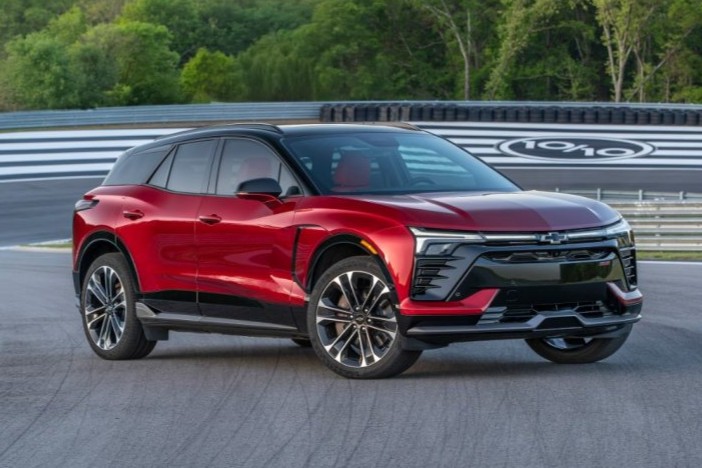
Chevrolet is expanding its electric vehicle lineup with options designed for a wide range of drivers. From an affordable small SUV to a high-performance electric pickup truck, Chevrolet EVs offer different combinations of range, performance, technology and utility. For 2026, Chevy has four electric vehicles available to purchase, including the upcoming 2027 Chevrolet Bolt. Depending on the model and trim, available features include HD Surround Vision cameras and Super Cruise, GM’s hands-free driver-assistance technology.
Whether you are shopping for an affordable Chevy EV, a family-friendly electric SUV or a powerful electric truck, Chevrolet has an option worth considering. Here is a closer look at every Chevrolet electric vehicle available in 2026.
2027 Chevrolet Bolt: Chevy’s Most Affordable EV
The 2027 Chevrolet Bolt is the most attainable EV in the Chevrolet lineup, with a starting MSRP of $28,995 for the front-wheel-drive LT. Designed as a small SUV, the Bolt is offered in LT and sportier RS trims. Both versions use a 65-kWh battery pack and offer an EPA-estimated 262 miles of range, making the Bolt an appealing choice for drivers looking for an affordable electric vehicle without sacrificing everyday driving range.
The Chevrolet Bolt produces 210 horsepower and 169 pound-feet of torque through a single permanent magnet electric motor. It can also support 150 kW or more of DC public fast charging, giving owners a convenient way to recharge on longer trips.
Technology is another highlight of the new Bolt EV. Standard equipment includes an 11.3-inch touchscreen, a NACS charging port, rear parking sensors and automatic climate control. Moving up to the RS trim adds features such as ventilated front seats, multicolor interior ambient lighting and Gloss Black wheels. With its combination of price, range and modern technology, the Bolt stands out as one of the most affordable electric cars from Chevrolet.
2026 Chevrolet Equinox EV: A Practical Electric SUV
The 2026 Chevrolet Equinox EV brings one of Chevy’s most familiar nameplates into the electric vehicle market. Available in LT 1, LT 2 and RS trims, the Equinox EV can be configured with either front-wheel drive or all-wheel drive, giving shoppers flexibility based on their performance and traction needs.
Front-wheel-drive Equinox EV models deliver an EPA-estimated 319 miles of range, along with 220 horsepower and 243 pound-feet of torque. All-wheel-drive versions produce 300 horsepower and 355 pound-feet of torque while offering an estimated 307 miles of range.
The Equinox EV also offers a strong selection of standard technology. The entry-level LT 1 starts at $36,795 and includes a 17.7-inch central touchscreen with Google Built-In, a six-speaker audio system, 19-inch wheels and IntelliBeam automatic high beams. Higher trims add upscale features including a power liftgate, heated steering wheel, multicolor ambient interior lighting and a wireless charging pad.
For buyers searching for a Chevrolet EV SUV with substantial range and practical everyday features, the Equinox EV is one of the most versatile choices in the Chevy electric vehicle lineup.
2026 Chevrolet Blazer EV: Performance Meets Electric Power
The 2026 Chevrolet Blazer EV takes the familiar SUV formula in a sportier direction. The five-seat electric SUV is available in LT, RS and SS trims, with front- or all-wheel drive available on the LT and RS. The performance-focused SS comes standard with all-wheel drive.
LT and RS models with front-wheel drive offer an estimated 312 miles of range from an 85-kWh battery pack. All-wheel-drive versions produce 300 horsepower and 355 pound-feet of torque. At the top of the lineup, the Blazer EV SS uses a larger 102-kWh battery and delivers an EPA-estimated 302 miles of range.
The Blazer EV SS is the performance star of the Chevrolet EV lineup. It produces an impressive 615 horsepower and 650 pound-feet of torque, with a GM-estimated 0-to-60-mph time of just 3.4 seconds. The SS also features front Brembo brakes and a head-up display.
Technology is a major part of the Blazer EV experience. Super Cruise is available across the Blazer EV lineup and comes standard on the SS, along with three years of OnStar One. The base LT starts at $46,495 and includes a 17.7-inch touchscreen, an HD Surround Vision 360-degree camera system and rear parking sensors.
For drivers who want a Chevy electric SUV with a balance of range, technology and serious performance, the Blazer EV offers a compelling step up from the Equinox EV.
2026 Chevrolet Silverado EV: An Electric Truck Built for Work
The 2026 Chevrolet Silverado EV brings Chevrolet’s popular pickup truck nameplate into the electric era. Available in Custom, LT, Trail Boss and RST Stars & Steel Edition trims, the Silverado EV combines the utility expected from a full-size pickup with the instant torque and efficiency of an electric powertrain.
The Silverado EV is offered with three battery sizes and can deliver up to a GM-estimated 478 miles of range. It also supports available DC public fast charging at rates of up to 350 kW, making the Silverado EV one of the most capable options for long-distance electric travel.
The electric Silverado is about more than range. Extended Range LT and Trail Boss models can tow up to 12,500 pounds and carry a maximum payload of 1,800 pounds. The Max Range LT equipped with Wide Open Watts can produce up to 760 horsepower and 775 pound-feet of torque, demonstrating just how much performance Chevrolet can extract from an electric truck.
Chevrolet also equips the Silverado EV with a range of technology and versatility features. Custom, LT and Trail Boss models feature a 17.7-inch infotainment touchscreen and an 11-inch Driver Information Center. Available features include four-wheel steering, Sidewinder diagonal steering and Chevrolet’s six-position Multi-Flex Tailgate with Multi-Flex Midgate.
The Silverado EV RST Stars & Steel Edition adds distinctive styling with 24-inch high-gloss Black wheels, red front Brembo brakes and American-flag-inspired graphics. With a starting MSRP of $58,490 for the Standard Range Custom, the Silverado EV gives shoppers a full-size electric pickup truck with impressive range, towing capability and performance.
Which Chevrolet EV Is Right for You?
Chevrolet’s 2026 EV lineup covers a broad range of needs and budgets. The Chevrolet Bolt is the entry point, offering a sub-$30,000 starting price and 262 miles of estimated range. The Equinox EV provides a practical electric SUV with up to 319 miles of range and a starting price of $36,795. The Blazer EV adds more performance and premium technology, including an available 615-horsepower SS model. Meanwhile, the Silverado EV is aimed at drivers who need the capability of a pickup, with up to 478 miles of estimated range and up to 12,500 pounds of towing capacity.
Across the lineup, Chevrolet is making EV ownership more accessible while giving shoppers more choices. Whether your priority is EV range, electric SUV practicality, performance, towing capability or advanced Chevrolet EV technology, there is a Chevy electric vehicle designed to meet a different set of needs.
The Future of Chevrolet Electric Vehicles
Chevrolet’s current EV lineup demonstrates how quickly the brand is expanding its approach to electric transportation. The combination of affordable models like the Bolt, versatile SUVs like the Equinox EV and Blazer EV, and the highly capable Silverado EV gives Chevrolet a presence across several of the most popular vehicle segments.
For shoppers considering an electric vehicle in 2026, Chevrolet offers an increasingly broad selection of EVs at different price points and performance levels. With features such as fast charging, long-range battery options, Super Cruise and advanced camera technology, Chevy’s electric vehicles are designed to make the transition to an all-electric vehicle easier for a growing number of drivers.
Best Features of the Chevy Equinox
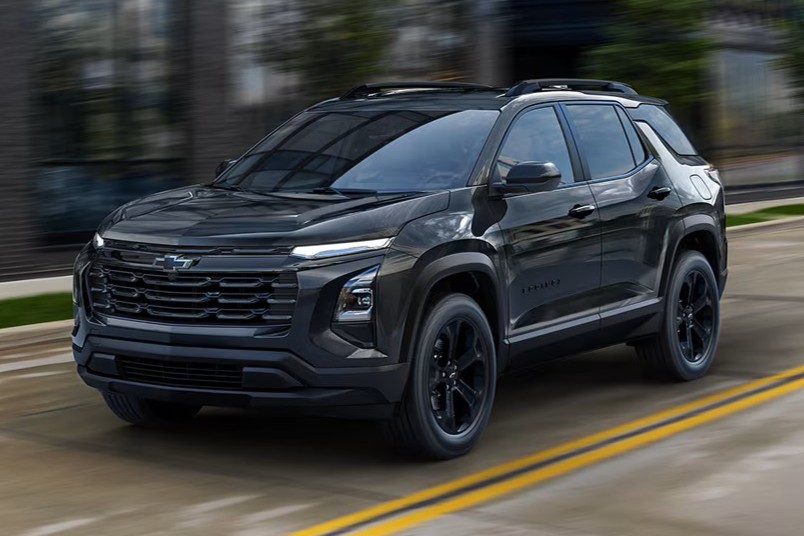
If you’re searching for a versatile SUV that delivers comfort, technology, safety, and value, the Chevy Equinox deserves a spot at the top of your list. As one of the most popular Chevrolet SUVs, the Equinox offers the features today’s drivers want without sacrificing practicality or affordability. Whether you’re commuting to work, taking family road trips, or running everyday errands, the Chevy Equinox is designed to make every drive more enjoyable.
If you’re shopping for a new Chevy SUV or comparing Chevy vehicles, here’s a closer look at the best features that make the Chevrolet Equinox a standout choice.
Modern Safety Features for Greater Peace of Mind
Safety is one of the biggest reasons drivers choose the Chevy Equinox. Every drive is supported by a suite of advanced driver-assistance technologies designed to help you stay aware of your surroundings. Features such as Automatic Emergency Braking, Forward Collision Alert, Lane Keep Assist with Lane Departure Warning, Front Pedestrian Braking, and IntelliBeam® automatic high beams provide additional confidence on busy highways and neighborhood streets alike.
These standard safety technologies make the Chevy Equinox an excellent option for families, first-time SUV buyers, and anyone looking for a dependable Chevrolet vehicle with advanced safety features.
Comfortable Interior with Room for Passengers and Cargo
The Chevy Equinox offers a thoughtfully designed interior that balances passenger comfort with everyday versatility. Comfortable seating, generous legroom, and quality materials create a welcoming cabin for both short commutes and long road trips.
When it’s time to haul groceries, sports equipment, or luggage, the flexible cargo area and folding rear seats make it easy to adapt the space to your needs. Whether you’re transporting passengers or larger items, the Equinox is ready for whatever your day brings.
User-Friendly Technology Keeps You Connected
Today’s drivers expect seamless connectivity, and the Chevrolet Equinox delivers. The intuitive infotainment system makes it easy to access navigation, music, phone calls, and apps while you’re on the road. Wireless Apple CarPlay® and Android Auto™ compatibility allow you to connect your smartphone without the hassle of cables, while available wireless charging helps keep compatible devices powered throughout your drive.
With multiple USB ports and available Wi-Fi® hotspot capability, everyone can stay connected, making the Equinox a smart choice for families and commuters alike.
Efficient Performance for Everyday Driving
The Chevy Equinox is engineered to provide responsive performance while maintaining impressive fuel efficiency. Its smooth handling and comfortable ride make city driving easy, while confident highway performance helps reduce fatigue during longer trips.
Available all-wheel drive gives drivers added traction when road conditions become less predictable, making the Equinox a practical option for changing weather and year-round driving.
Stylish Design Inside and Out
The Chevrolet Equinox combines sleek exterior styling with practical functionality. Bold front-end styling, distinctive lighting, and available wheel options give the SUV a modern appearance that stands out wherever it goes.
Inside, the clean dashboard layout and premium design elements create a refined atmosphere that feels more upscale than many vehicles in its class. The combination of style and functionality helps make the Equinox one of the most appealing Chevy SUVs available today.
Advanced Convenience Features
The Equinox offers several available features designed to make daily driving more convenient. Available remote start allows you to warm up or cool down the cabin before you get in, while keyless open and push-button start simplify your daily routine.
Available heated front seats and a heated steering wheel provide extra comfort during colder months, while available adaptive cruise control can make longer highway drives more relaxing.
Excellent Value Across the Chevrolet Lineup
One of the biggest advantages of the Chevy Equinox is the value it offers. Buyers receive advanced technology, impressive safety features, comfortable seating, and modern styling at a competitive price point. Combined with Chevrolet’s reputation for durability and a wide network of dealerships for maintenance and service, the Equinox continues to be one of the best values in the compact SUV segment.
For drivers looking for a vehicle that offers long-term reliability without compromising on modern amenities, the Equinox is a compelling choice.
Chevy’s Best Family SUVs
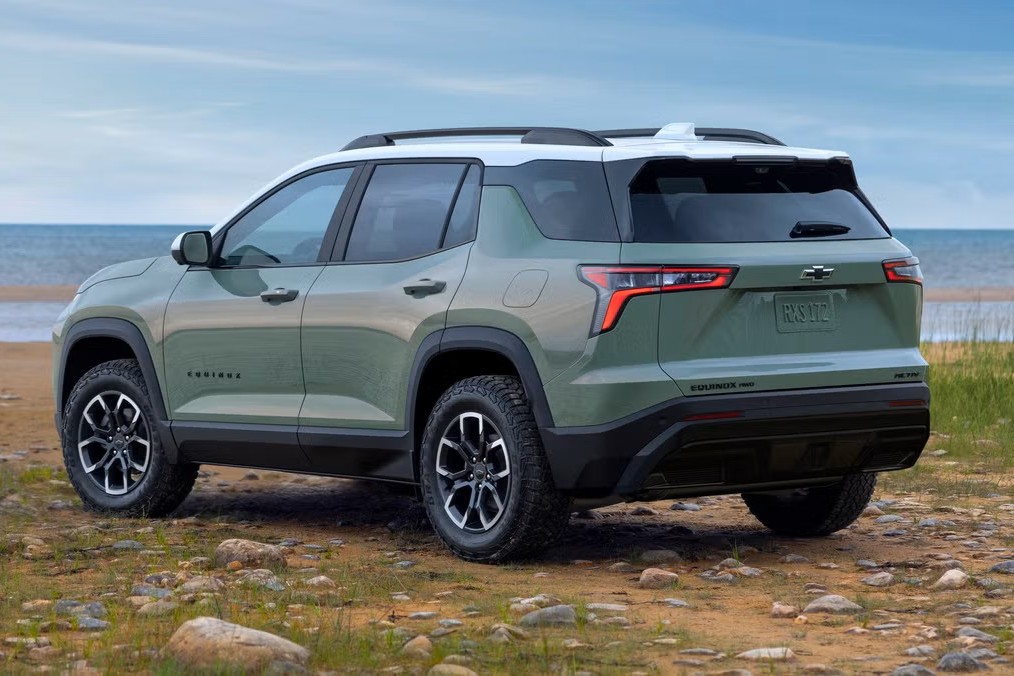
When it comes to finding the perfect family vehicle, Chevrolet offers an impressive lineup of SUVs that combine safety, comfort, technology, and versatility. Whether you’re driving the kids to school, heading out on a weekend road trip, or simply navigating your daily commute, there’s a Chevy family SUV designed to fit your lifestyle. From compact crossovers to full-size SUVs with seating for up to eight passengers, Chevrolet continues to deliver reliable vehicles that families can count on.
Why Choose a Chevrolet SUV for Your Family?
Choosing a Chevrolet SUV means investing in a vehicle that’s built with families in mind. Many Chevy SUVs come equipped with advanced safety technologies, spacious interiors, flexible cargo configurations, and modern infotainment systems that help make every drive more enjoyable. Available features like wireless Apple CarPlay®, Android Auto™, adaptive cruise control, blind zone steering assist, and rear cross-traffic braking provide added convenience and confidence behind the wheel.
Chevrolet also offers a variety of SUV sizes, making it easy to find the right vehicle whether you’re a growing family, an active couple, or someone who simply needs extra cargo space for everyday life.
Chevrolet Equinox: The Everyday Family Favorite
The Chevrolet Equinox is one of the most popular compact SUVs in the Chevrolet lineup, and for good reason. It offers comfortable seating, impressive fuel efficiency, and a roomy cabin that’s ideal for families with young children or daily commuters.
The Equinox provides ample cargo space for groceries, sports equipment, and strollers while remaining easy to maneuver in city traffic and parking lots. Available all-wheel drive also makes it a great option for drivers who experience changing weather conditions throughout the year.
Families looking for a practical, affordable, and dependable Chevy SUV will find plenty to appreciate in the Equinox.
Chevrolet Traverse: Built for Growing Families
If your family needs more passenger room, the Chevrolet Traverse is an excellent choice. With seating for up to eight passengers and generous cargo capacity behind the third row, the Traverse is designed for busy families who are always on the go.
Its spacious interior gives everyone plenty of room to stretch out, while available captain’s chairs in the second row make access to the third row easier. The Traverse also offers numerous storage compartments, USB charging ports, and advanced driver assistance features that help keep every trip comfortable and convenient.
For families balancing carpools, vacations, and weekend activities, the Traverse remains one of the best Chevrolet SUVs for families.
Chevrolet Tahoe: Premium Space and Capability
For drivers who need maximum passenger and cargo space, the Chevrolet Tahoe delivers full-size SUV capability without sacrificing comfort. The Tahoe offers seating for up to eight passengers, exceptional towing capability, and a refined interior filled with premium materials and advanced technology.
Families who enjoy camping, boating, or traveling with trailers will appreciate the Tahoe’s strong towing performance. At the same time, its spacious cargo area easily accommodates luggage, sports gear, and everything needed for extended road trips.
The Tahoe is an outstanding choice for larger families who want luxury, capability, and versatility in one dependable Chevrolet SUV.
Chevrolet Suburban: Room for Everything
The legendary Chevrolet Suburban has long been a favorite among large families thanks to its expansive interior and exceptional cargo capacity. As one of the largest SUVs in the Chevrolet lineup, the Suburban provides comfortable seating for up to eight passengers while leaving plenty of room for luggage, groceries, and recreational equipment.
Long-distance travelers appreciate the comfortable ride, advanced technology, and generous storage options throughout the cabin. Whether you’re planning family vacations or simply managing a busy weekly schedule, the Suburban offers the space and flexibility to handle it all.
Chevrolet Trailblazer: Small SUV, Big Value
Not every family needs a full-size SUV. The Chevrolet Trailblazer is a smart option for smaller households, first-time parents, or drivers who want SUV versatility in a compact package.
Despite its smaller footprint, the Trailblazer offers flexible seating configurations, useful cargo space, and modern safety technologies that make everyday driving easier. Its efficient performance and easy handling also make it an excellent choice for urban driving and weekend getaways.
Advanced Safety Features Families Appreciate
Safety is often the top priority when purchasing a family vehicle, and Chevrolet continues to equip many of its SUVs with innovative driver assistance technology. Depending on the model and trim level, available features may include Automatic Emergency Braking, Forward Collision Alert, Lane Keep Assist with Lane Departure Warning, Adaptive Cruise Control, Blind Zone Steering Assist, Rear Cross Traffic Braking, and HD Surround Vision.
These technologies are designed to help drivers stay aware of their surroundings and provide added confidence during daily commutes, highway travel, and crowded parking lots.
Which Chevy Family SUV Is Right for You?
The best Chevrolet SUV for your family depends on your lifestyle and daily needs. Drivers seeking fuel efficiency and easy maneuverability may find the Chevrolet Equinox or Trailblazer to be the ideal fit. Families needing three rows of seating often choose the spacious Chevrolet Traverse, while those requiring maximum passenger room and towing capability frequently select the Chevrolet Tahoe or Chevrolet Suburban.
No matter which model you choose, every Chevy SUV is designed to deliver comfort, versatility, advanced technology, and dependable performance for years to come.
Explore Chevy Family SUVs Today
If you’re searching for the best Chevy family SUV, there’s never been a better time to explore the latest Chevrolet lineup. Whether you’re interested in a compact crossover, a spacious three-row SUV, or a full-size vehicle with impressive capability, Chevrolet offers an option to fit nearly every family’s needs and budget.
Visit our dealership to compare models, take a test drive, and discover which Chevrolet SUV is the perfect match for your family’s next adventure. Our team is here to help you explore available inventory, financing options, and the latest Chevrolet features so you can drive home with confidence.
Ultimate Guide to the 2026 Silverado
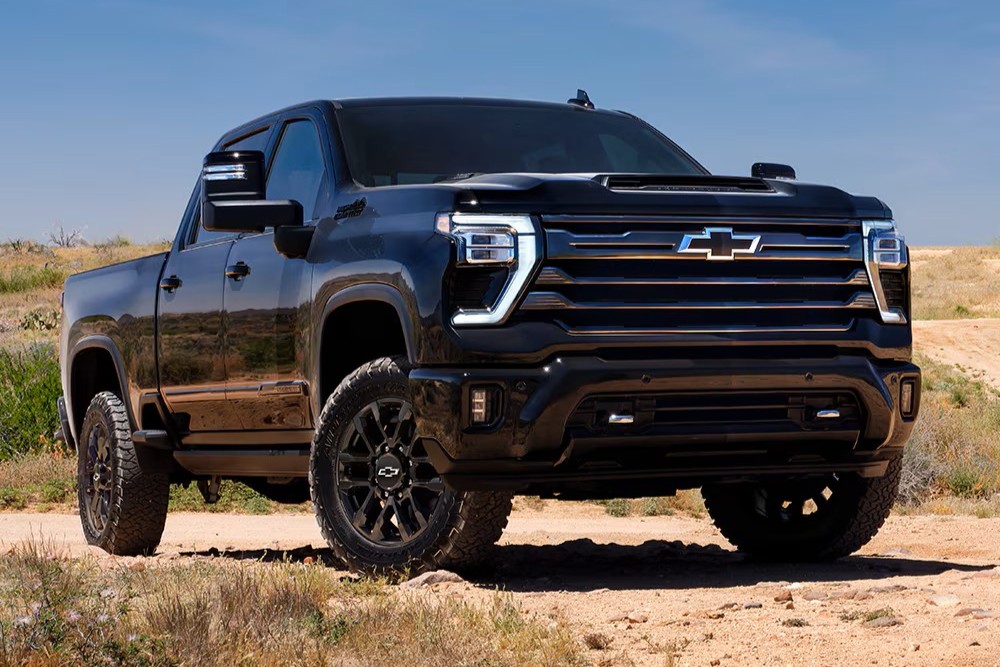
When it comes to full-size pickup trucks, the 2026 Chevrolet Silverado continues to raise the bar with exceptional capability, advanced technology, impressive towing capacity, and a wide range of configurations. Whether you’re shopping for a dependable work truck, a comfortable daily driver, or an off-road-ready pickup, the 2026 Chevy Silverado offers a model designed to fit your needs.
In this ultimate guide, we’ll cover everything you need to know about the 2026 Chevrolet Silverado, including available trims, engine options, towing capacity, interior technology, safety features, performance specifications, and why it remains one of the best full-size pickup trucks on the market.
Why Buy the 2026 Chevrolet Silverado?
The 2026 Chevy Silverado has earned its reputation by delivering a combination of strength, durability, and innovation. Chevrolet has refined the Silverado over decades, creating a truck that excels in demanding work environments while providing modern comfort and convenience.
Buyers appreciate the Silverado for its impressive payload capacity, class-leading technology, multiple powertrain choices, spacious cabin options, and advanced trailering features. Whether you need a truck for towing heavy equipment, weekend adventures, or everyday commuting, the Silverado is engineered to handle it all.
2026 Chevrolet Silverado Trim Levels
The 2026 Silverado lineup offers a trim for nearly every type of driver.
The Work Truck (WT) serves as a dependable foundation with practical features designed for job sites and fleet use. The Custom and Custom Trail Boss add enhanced styling and capability while remaining budget-friendly.
The LT introduces premium interior materials, upgraded technology, and additional convenience features. The RST focuses on sporty design elements, while the LT Trail Boss combines comfort with off-road capability.
For buyers seeking luxury, the LTZ includes premium leather seating, advanced driver assistance technologies, and upscale finishes. At the top of the lineup, the High Country delivers premium craftsmanship, exclusive styling, and cutting-edge technology. Performance enthusiasts can also explore specialized off-road models designed to tackle rugged terrain with confidence.
2026 Chevy Silverado Engine Options
One of the Silverado’s greatest strengths is its selection of powerful and efficient engines.
Depending on the trim level, buyers can choose from several proven powertrains, including a turbocharged four-cylinder engine, a responsive V8, a high-output V8 for maximum towing capability, and Chevrolet’s popular Duramax turbo-diesel engine. Each engine is paired with a smooth-shifting automatic transmission designed to optimize performance, fuel efficiency, and towing confidence.
Whether you prioritize fuel economy, horsepower, torque, or towing performance, there is a Silverado engine designed for your specific driving needs.
2026 Chevrolet Silverado Performance
Performance remains a defining characteristic of the 2026 Chevrolet Silverado.
The truck is engineered with a strong frame, responsive suspension, and available four-wheel-drive systems that provide excellent traction on highways, gravel roads, muddy job sites, and challenging off-road trails.
Selectable drive modes help optimize traction in changing weather conditions, while available off-road packages enhance ground clearance, suspension performance, skid protection, and all-terrain capability.
2026 Chevy Silverado Towing Capacity
One of the biggest reasons buyers choose the Chevy Silverado is its exceptional towing capability.
When properly equipped, the 2026 Chevrolet Silverado towing capacity allows owners to confidently haul boats, campers, enclosed trailers, construction equipment, and recreational vehicles.
Available towing technologies include:
- Advanced Trailering System
- Trailer Side Blind Zone Alert
- Integrated Trailer Brake Controller
- Hitch Guidance
- Hitch View Camera
- Multiple camera viewing angles
- Trailer Theft Alert
- Trailer Tire Pressure Monitoring
- Trailer Light Sequence Testing
These intelligent features make connecting, monitoring, and maneuvering a trailer significantly easier, even for first-time truck owners.
2026 Silverado Payload Capacity
The 2026 Silverado payload capacity allows owners to transport heavy cargo in the truck bed with confidence.
Whether carrying building materials, landscaping equipment, tools, motorcycles, or outdoor gear, the Silverado’s durable bed is designed for demanding workloads. Multiple bed lengths provide flexibility depending on your hauling needs.
Available features such as LED cargo lighting, power tailgate functionality, bed-mounted power outlets, cargo tie-downs, and spray-in bedliners further improve versatility.
2026 Chevrolet Silverado Interior
Inside the cabin, the 2026 Chevy Silverado interior balances rugged durability with modern comfort.
Available premium seating surfaces, spacious crew cab accommodations, and intelligent storage solutions create an enjoyable environment for work and family travel alike.
Higher trim levels include features such as heated and ventilated front seats, heated rear seats, dual-zone automatic climate control, wireless smartphone charging, panoramic technology displays, premium audio systems, and multiple USB charging ports.
Whether you’re commuting or spending long hours on the road, the Silverado’s refined cabin provides impressive comfort.
2026 Chevy Silverado Technology
Technology is one of the Silverado’s strongest selling points.
The available infotainment system features a large touchscreen with intuitive controls, wireless Apple CarPlay®, wireless Android Auto™, Bluetooth connectivity, voice recognition, built-in navigation, Wi-Fi hotspot capability, and available Google built-in functionality.
Digital driver displays provide customizable vehicle information, while multiple camera systems improve visibility during towing, parking, and off-road driving.
2026 Chevrolet Silverado Safety Features
Safety remains a priority throughout the Silverado lineup.
Available driver-assistance technologies include forward collision alert, automatic emergency braking, lane keep assist, lane departure warning, adaptive cruise control, blind zone steering assist, rear cross traffic braking, rear pedestrian alert, front pedestrian braking, and HD surround vision.
These systems work together to help drivers remain aware of their surroundings and improve confidence behind the wheel.
Chevrolet Silverado Exterior Design
The 2026 Silverado maintains its bold, muscular appearance while incorporating modern styling details.
A sculpted hood, distinctive front grille, LED lighting, multiple wheel designs, and available appearance packages allow buyers to customize the truck’s look. Several exterior colors and trim-specific accents help distinguish each model.
The Silverado’s functional design also supports aerodynamics and durability without sacrificing its commanding presence.
Available Cab and Bed Configurations
The 2026 Chevrolet Silverado is available in multiple cab and bed combinations, allowing buyers to tailor the truck to their specific needs.
Single Cab models maximize bed space for commercial applications, while Double Cab and Crew Cab configurations provide increasing levels of passenger comfort. Buyers can choose between short, standard, and long bed options depending on cargo requirements and intended use.
This flexibility makes the Silverado suitable for contractors, families, outdoor enthusiasts, and business owners alike.
Off-Road Capability
Drivers who frequently venture off the pavement will appreciate the Silverado’s available off-road packages.
Features such as upgraded suspension systems, skid plates, hill descent control, locking rear differentials, off-road tires, recovery hooks, and terrain-specific drive modes help the Silverado tackle dirt trails, rocky terrain, snow, and mud with confidence.
Whether exploring remote campsites or working in challenging environments, the Silverado is built to perform.
Fuel Efficiency
Efficiency varies based on engine selection, drivetrain, and vehicle configuration. Buyers looking to maximize fuel economy often choose the available Duramax turbo-diesel engine, while V8 engines provide outstanding performance for towing and hauling applications.
With multiple engine choices, drivers can prioritize efficiency, power, or a balance of both.
Why the 2026 Chevy Silverado Stands Out
The 2026 Chevrolet Silverado continues to be one of the most versatile trucks available today. Its combination of powerful engine choices, impressive towing capability, advanced safety systems, premium technology, comfortable interior, and durable construction makes it an excellent option for a wide range of drivers.
Whether you need a dependable work truck, a family-friendly pickup, or an adventure-ready off-road vehicle, the Silverado delivers the capability and flexibility expected from one of America’s most trusted full-size trucks.
Frequently Asked Questions
Is the 2026 Chevrolet Silverado a good truck?
Yes. The 2026 Silverado offers strong performance, advanced technology, excellent towing capability, multiple trim levels, and a reputation for durability that makes it a top choice among full-size pickup trucks.
What is the towing capacity of the 2026 Chevy Silverado?
Towing capacity varies depending on engine, drivetrain, cab configuration, and equipment. Properly equipped models are engineered to tow heavy trailers with confidence.
Which 2026 Silverado engine is best?
The best engine depends on your priorities. The turbocharged engine offers a balance of efficiency and everyday capability, V8 engines provide excellent power for towing and hauling, and the available Duramax turbo-diesel is ideal for drivers seeking strong torque and long-distance efficiency.
Does the 2026 Chevrolet Silverado have Apple CarPlay?
Yes. The Silverado offers wireless Apple CarPlay® and wireless Android Auto™ compatibility on equipped models, allowing seamless smartphone integration.
Final Thoughts
The 2026 Chevrolet Silverado continues to define what drivers expect from a modern full-size pickup truck. With impressive capability, advanced technology, flexible configurations, refined comfort, and dependable performance, it remains an outstanding choice for work, recreation, and everyday driving. Whether you’re comparing trucks for towing, hauling, off-road adventures, or family transportation, the 2026 Chevy Silverado delivers the versatility and confidence to meet virtually any challenge.
Chevy Tahoe vs. Suburban: Which Is Right for You?
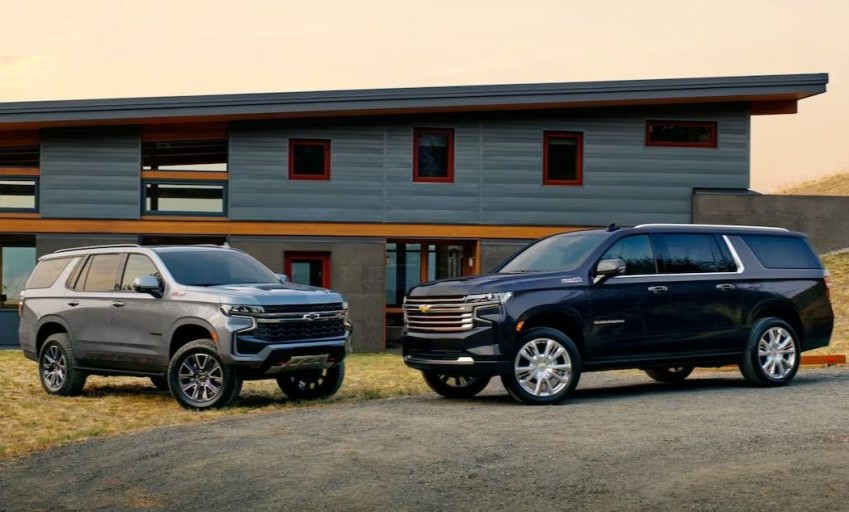
If you’re shopping for a spacious, capable, and family-friendly SUV, two of the most popular options in the Chevrolet lineup are the Chevy Tahoe and the Chevy Suburban. Both full-size Chevrolet SUVs offer impressive performance, advanced technology, generous passenger space, and exceptional towing capability. But which one is the better fit for your lifestyle?
Whether you’re looking for a dependable family vehicle, an SUV for weekend adventures, or a capable tow vehicle, understanding the differences between the Chevy Tahoe and Chevy Suburban can help you make the right decision.
Size and Interior Space
One of the biggest differences between the Chevy Tahoe and Chevy Suburban is their overall size. While both models feature three rows of seating and can comfortably accommodate up to eight passengers, the Chevy Suburban is significantly longer than the Tahoe.
The extra length translates into more cargo space behind the third row and additional legroom for passengers. Families who frequently travel with luggage, sports equipment, camping gear, or pets often appreciate the Suburban’s generous storage capacity.
The Chevy Tahoe, on the other hand, offers a more compact footprint while still providing plenty of room for passengers. Drivers who want a full-size SUV that’s easier to maneuver in parking lots and city traffic may find the Tahoe to be the ideal balance between size and practicality.
Cargo Capacity
When comparing the Chevy Tahoe vs. Chevy Suburban, cargo space is often the deciding factor.
The Chevy Tahoe provides ample room for groceries, luggage, and everyday hauling. However, the Chevy Suburban delivers one of the largest cargo areas in its class, making it an excellent choice for large families, road trips, and outdoor adventures.
If maximizing storage space is your top priority, the Suburban has a clear advantage.
Performance and Engine Options
Both the Chevy Tahoe and Chevy Suburban offer the same lineup of powerful engine options, allowing buyers to choose the performance that best suits their needs.
Available engines include efficient gasoline V8 options as well as an available Duramax® turbo-diesel engine for drivers seeking impressive fuel efficiency and long-distance capability. Whether you choose the Tahoe or the Suburban, you’ll enjoy smooth acceleration, confident highway performance, and the capability expected from a Chevrolet SUV.
Both models are available with rear-wheel drive or four-wheel drive, making them ready for changing road conditions and weekend adventures.
Towing Capability
Drivers searching for a Chevrolet SUV with strong towing capability will be pleased with either model.
When properly equipped, both the Chevy Tahoe and Chevy Suburban can tow boats, campers, utility trailers, and recreational equipment with confidence. Their available trailering technologies, integrated trailer brake controller, and advanced camera systems help make towing safer and easier.
If towing performance is your primary concern, you’ll find that both SUVs deliver impressive capability.
Technology and Safety Features
Modern technology is another area where both Chevrolet SUVs shine.
Inside the cabin, drivers will find large infotainment displays, wireless Apple CarPlay® and Android Auto™, available wireless charging, multiple USB ports, premium audio systems, and available rear-seat entertainment features.
Chevrolet also equips both SUVs with advanced driver-assistance technologies designed to enhance confidence on the road. Available features such as adaptive cruise control, lane-keeping assistance, blind zone monitoring, and automatic emergency braking help provide additional peace of mind for daily commutes and long family road trips.
Which Chevy SUV Is Best for Families?
Both the Chevy Tahoe and Chevy Suburban make excellent family SUVs, but the best choice depends on your lifestyle.
The Chevy Tahoe is perfect for drivers who want a spacious full-size SUV that’s easier to park and maneuver while still providing three rows of seating and generous cargo space.
The Chevy Suburban is ideal for larger families or anyone who regularly travels with extra passengers and gear. Its expanded interior and best-in-class cargo capacity make it one of the most versatile SUVs on the road.
Chevy Unveils 2027 Silverado 1500
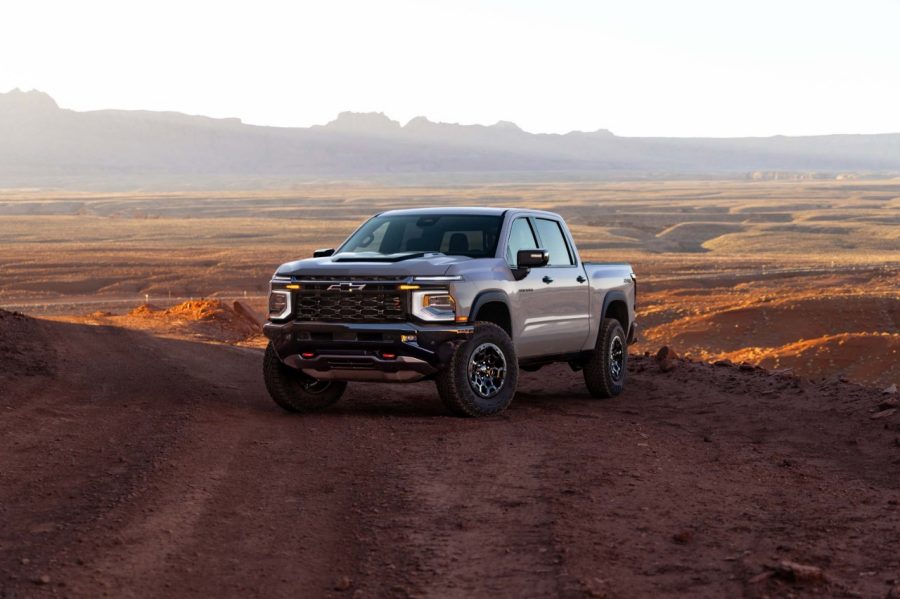
Chevrolet is ushering in a new era of full-size pickup trucks with the introduction of the all-new 2027 Chevrolet Silverado 1500. Built on more than a century of truck expertise, the next-generation Silverado combines legendary durability, cutting-edge technology, enhanced capability, and bold new styling. As the most powerful and advanced Silverado ever produced, this latest Chevrolet truck is designed to meet the needs of hardworking professionals, off-road enthusiasts, fleet operators, and families alike.
Expected to arrive in dealerships later this year, the 2027 Chevy Silverado 1500 continues the brand’s reputation for building dependable, long-lasting full-size pickup trucks while delivering significant upgrades in performance, comfort, and innovation.
Powerful New V8 Engines Lead the Silverado Lineup
At the heart of the 2027 Silverado is Chevrolet’s strongest and most refined powertrain lineup to date. The truck offers four engine choices, including two all-new next-generation V8 engines, an upgraded 2.7L TurboMax engine, and the proven Duramax 3.0L Turbo-Diesel.
The available next-generation 5.7L and 6.6L V8 engines build on Chevrolet’s legendary Small Block heritage while delivering increased horsepower and torque. Chevrolet says the Silverado now offers the most powerful naturally aspirated V8 in its class, giving truck buyers exceptional towing confidence, hauling capability, and everyday performance.
For drivers seeking efficiency without sacrificing capability, the enhanced 2.7L TurboMax now comes paired with a 10-speed automatic transmission and continues to deliver best-in-class standard torque. Meanwhile, the segment-exclusive Duramax diesel remains a popular option for customers seeking excellent fuel economy and long-distance towing performance.
Bold New Silverado Design Commands Attention
The 2027 Chevrolet Silverado 1500 features a completely redesigned exterior that projects strength, confidence, and modern sophistication. Chevrolet designers created a truck that feels unmistakably Silverado while introducing a more premium and athletic appearance.
New LED headlights and taillights, a bolder front fascia, pronounced wheel openings, and enhanced rocker treatments create a stronger visual presence. Starting with the Custom trim, dual exhaust outlets become standard equipment, adding a refined and aggressive touch. Each trim level receives its own distinctive styling elements, allowing buyers to choose a Silverado that best matches their lifestyle and personality.
Whether parked on a job site, towing a trailer, or heading off-road, the new Silverado delivers the commanding appearance truck buyers expect from a Chevrolet pickup.
Advanced Technology Creates a More Connected Driving Experience
Inside the cabin, the 2027 Silverado introduces one of the most technologically advanced interiors ever offered in a full-size truck. Every trim level receives a standard digital cockpit featuring a class-leading 16.3-inch center touchscreen and a 12.2-inch digital driver information display.
Higher trims such as the Silverado ZR2 and High Country add an available 11.5-inch passenger display, heads-up display, and rear camera mirror, providing more than 60 inches of combined digital screen space. These features make accessing navigation, trailering tools, entertainment, and vehicle information easier than ever.
Chevrolet also enhances convenience with available dual wireless charging, a reconfigurable Multi-Flex center console, and expanded connectivity features. The available Super Cruise hands-free driver assistance system with trailering capability remains a segment-exclusive feature, allowing drivers to tow confidently while enjoying hands-free driving on compatible roads.
The Most Capable Silverado ZR2 Ever Built
For serious off-road enthusiasts, the 2027 Silverado ZR2 elevates capability to new heights. Chevrolet engineered the new ZR2 to handle challenging terrain while maintaining excellent on-road comfort.
The truck comes equipped with 35-inch mud-terrain tires, a factory 2-inch lift, front and rear electronic locking differentials, and race-proven Multimatic DSSV dampers. A dedicated off-road hood and aggressive stance further distinguish the ZR2 from the rest of the lineup.
Inside, the ZR2 features Torch Red accents, forged carbon-fiber trim, advanced digital displays, and premium materials designed to support adventurous lifestyles. Buyers seeking even more capability can opt for the ZR2 Bison Edition, developed in partnership with American Expedition Vehicles. The Bison adds specialized bumpers, underbody skid plates, rocker protection, and beadlock-capable wheels for extreme off-road performance.
Trail Boss Delivers Rugged Style and Capability
The popular Silverado Trail Boss returns with enhanced capability and a more aggressive appearance. Designed for customers who want authentic off-road performance without stepping up to the ZR2, the 2027 Trail Boss features a factory 2-inch lift, 34-inch mud-terrain tires, and a dedicated off-road hood.
Distinctive interior themes, custom seat designs, and Torch Red accents reinforce the Trail Boss identity while providing comfort and functionality. Chevrolet continues to position the Trail Boss as one of the most attractive choices for truck buyers seeking adventure-ready capability and everyday usability.
High Country Offers Premium Luxury in a Full-Size Truck
At the top of the Silverado lineup sits the luxurious High Country trim. Combining premium craftsmanship with impressive truck capability, the High Country caters to buyers who want refinement without sacrificing performance.
The 2027 model introduces exclusive styling elements, including a new Tritan Satin grille, updated High Country badging, and standard 22-inch wheels. Inside, Chevrolet offers its first-ever Silverado panoramic sunroof along with real wood trim, premium upholstery options, microfiber suede accents, and unique interior themes.
The High Country proves that today’s full-size pickup trucks can deliver luxury SUV-level comfort while retaining the towing, hauling, and capability expected from a Chevrolet Silverado.
More Choices Across the Silverado Trim Lineup
The 2027 Chevrolet Silverado 1500 lineup has been streamlined into seven trims: Work Truck, Custom, Custom Trail Boss, Silverado, Trail Boss, ZR2, and High Country.
The newly renamed Silverado trim (formerly LT) joins the lineup alongside value-focused Custom and Custom Trail Boss models. Chevrolet has also made the popular Z71 Off-Road Package standard on Silverado 4WD models, adding skid plates, off-road suspension, and hill descent control for enhanced capability.
This expanded lineup ensures buyers can find a Chevrolet truck that matches their budget, lifestyle, and performance needs.
Built for Business: Silverado Work Truck
Fleet operators and commercial customers will continue to appreciate the Silverado Work Truck’s focus on durability, uptime, and functionality. Designed specifically for demanding work environments, the Work Truck offers straightforward interiors, easy maintenance, advanced safety technologies, and configurations tailored for common commercial upfits.
Whether serving construction crews, utility providers, municipalities, or small businesses, the 2027 Silverado Work Truck remains a dependable tool engineered to keep businesses moving.
The Future of Chevrolet Trucks Starts Here
The 2027 Chevrolet Silverado 1500 represents a significant leap forward for America’s favorite full-size pickup segment. With next-generation V8 power, advanced digital technology, enhanced towing capability, premium interior options, and class-leading off-road models, Chevrolet has created the most capable and sophisticated Silverado ever built.
From the hardworking Work Truck to the luxurious High Country and adventure-ready ZR2, the new Silverado lineup offers something for every truck buyer. As Chevrolet continues to build on more than 100 years of truck innovation, the 2027 Silverado 1500 stands ready to lead the next generation of Chevrolet trucks.
Inside the Engines of the 2027 Corvette
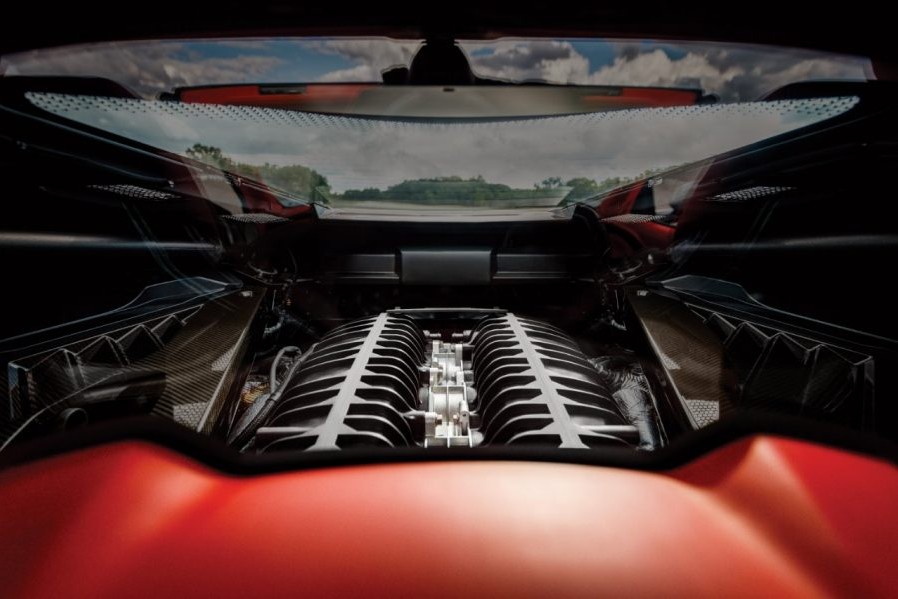
The 2027 Chevrolet Corvette lineup delivers one of the most exciting collections of performance engines ever offered in an American sports car. From the naturally aspirated LS6 in the Corvette Stingray and Grand Sport to the exotic high-revving LT6 in the Corvette Z06 and the twin-turbocharged LT7 powering the Corvette ZR1, Chevrolet has created three distinct V8 experiences for drivers who demand world-class performance.
What makes the 2027 Corvette special is that each engine offers its own personality and driving character. Rather than simply increasing horsepower from one model to the next, Chevrolet engineers designed the LS6, LT6 and LT7 to appeal to different types of Corvette buyers. Whether you crave traditional small-block V8 torque, race-inspired high-RPM excitement, or hypercar-level acceleration, there is a 2027 Corvette engine built for you.
LS6 V8: The Heart of the 2027 Corvette Stingray and Grand Sport
The all-new LS6 V8 makes its debut in the 2027 Chevrolet Corvette Stingray, Grand Sport and Grand Sport X. This naturally aspirated 6.7-liter small-block V8 produces 535 horsepower and 520 lb-ft of torque, while the hybrid-assisted Grand Sport X delivers an impressive 721 combined horsepower and 665 lb-ft of torque.
According to Corvette engineer Mike Kociba, the LS6 was designed to celebrate everything enthusiasts love about traditional Corvette performance. With 409 cubic inches of displacement and a high 13:1 compression ratio, the LS6 delivers immediate low-end torque and effortless acceleration. Unlike smaller turbocharged engines that require higher revs to access their power, the LS6 provides strong performance throughout the rev range.
This large-displacement V8 creates a driving experience that feels uniquely Corvette. Whether cruising through mountain roads, navigating city traffic, or attacking a racetrack, the LS6 offers instant throttle response and the unmistakable sound of a naturally aspirated American V8. Chevrolet intentionally leaned into Corvette heritage by bringing back the LS6 name and embracing the muscle car spirit that has defined the brand for generations.
LT6 V8: The High-Revving Masterpiece Behind the Corvette Z06
For drivers seeking a more exotic driving experience, the 2027 Corvette Z06 features the remarkable LT6 Gemini V8. This 5.5-liter naturally aspirated engine generates 670 horsepower and 460 lb-ft of torque, making it the most powerful naturally aspirated V8 ever offered in a production vehicle.
While the LS6 focuses on torque and displacement, the LT6 was engineered around emotion and character. Featuring a flat-plane crankshaft design and an astonishing 8,600-rpm redline, the LT6 delivers a soundtrack and responsiveness more commonly associated with European supercars than traditional American performance cars.
Corvette engineer Dustin Gardner explains that the LT6 was designed from a clean sheet of paper. Engineers targeted an engine capable of spinning near 9,000 rpm while maintaining the low-end responsiveness expected from a Corvette. The result is a lightweight, free-breathing V8 that rewards drivers who push it to its limits.
The LT6 transforms the Corvette Z06 into Chevrolet’s ultimate track-focused sports car. Its razor-sharp throttle response, high-revving nature and race-inspired engineering make it the purest performance choice in the Corvette lineup. For enthusiasts who value precision, balance and driver engagement, the LT6 represents the pinnacle of naturally aspirated Corvette performance.
LT7 V8: Twin-Turbo Power for the Corvette ZR1 and ZR1X
At the top of the 2027 Corvette performance hierarchy sits the LT7 Gemini V8. Based on the same 5.5-liter architecture as the LT6, the LT7 adds twin turbochargers to create one of the most powerful engines ever installed in a production Corvette.
The 2027 Corvette ZR1 produces a staggering 1,064 horsepower and 828 lb-ft of torque from the LT7. In the hybrid-assisted Corvette ZR1X, combined output rises to an incredible 1,250 horsepower and 973 lb-ft of torque.
The LT7 was originally expected to produce around 850 horsepower during development. However, as engineers refined the Gemini architecture and improved the turbocharging system, they quickly realized the platform was capable of exceeding four-digit horsepower figures. The result is a powertrain that pushes the boundaries of what a modern small-block V8 can achieve.
Despite its immense performance, the LT7 retains much of the character that makes the LT6 special. Drivers still experience the responsiveness and personality of the Gemini V8 architecture, but with explosive turbocharged acceleration that delivers relentless power whenever boost builds. The sensation is unlike anything previously offered in Corvette history.
Choosing the Right 2027 Corvette Engine
One of the most impressive aspects of the 2027 Chevrolet Corvette lineup is that there is no wrong choice. Each engine offers a distinct interpretation of performance.
The LS6 is ideal for drivers who love traditional small-block V8 torque, everyday drivability and classic Corvette character. The LT6 appeals to enthusiasts seeking a naturally aspirated, high-revving engine with genuine supercar credentials and track-ready precision. The LT7 serves those who want maximum horsepower, breathtaking acceleration and record-setting performance.
As many automakers move away from V8 engines, Chevrolet has doubled down on what makes Corvette unique. The company continues to offer naturally aspirated and turbocharged V8 options in a mid-engine sports car platform, giving enthusiasts a level of choice rarely seen in today’s performance car market.
The Future of Corvette Performance
The 2027 Chevrolet Corvette demonstrates that the small-block V8 remains alive and thriving. Whether it’s the heritage-inspired LS6, the exotic LT6 or the monstrous LT7, each engine showcases a different side of Corvette performance excellence.
For Corvette enthusiasts, the future has never looked brighter. The Stingray, Grand Sport, Z06, ZR1 and ZR1X all deliver unique driving experiences while remaining true to the spirit that has made the Chevrolet Corvette America’s sports car for more than seven decades. With three extraordinary V8 engines to choose from, the 2027 Corvette lineup offers something for every performance enthusiast.
Corvette’s Asymmetrical Racing Stripe Design
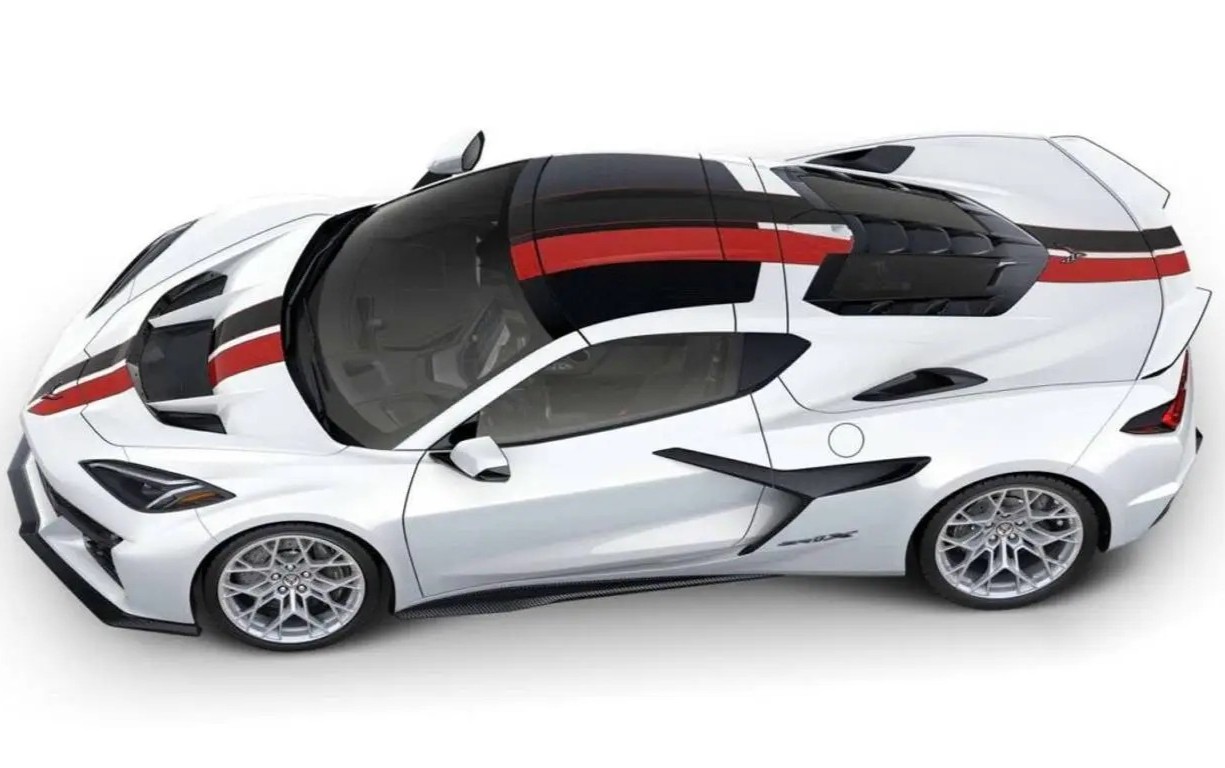
The 2026 Corvette is taking a confident step into a more expressive design future, and nothing captures that shift better than its new asymmetrical dual racing stripe option. Traditionally, racing stripes have symbolized performance heritage and visual aggression, but this latest evolution transforms them into something more conceptual—an artistic statement that reflects individuality as much as speed. With this update, Chevrolet isn’t just refining the Corvette’s look; it’s redefining how personalization plays into the identity of an American sports car.
The Asymmetrical Edge: Breaking Visual Tradition
At the center of this design evolution is the newly introduced Asymmetrical Edge Red and Carbon Flash Full-Length Dual Racing Stripe package. Priced at $1,195, this factory option abandons the conventional symmetry that has long defined racing stripes. Instead, it embraces imbalance in a deliberate and visually striking way, creating a sense of motion even when the car is standing still.
This isn’t just a stylistic gamble—it’s part of a broader design philosophy. By offsetting the stripes and using contrasting tones, the Corvette gains a more dynamic, almost conceptual aesthetic that sets it apart from both its predecessors and competitors. It’s a reminder that performance cars can be expressive canvases, not just precision machines.
Expanded Customization Across the Lineup
The asymmetrical stripe package joins an already extensive catalog of customization options. For 2026, buyers can choose from a total of twelve dual racing stripe configurations across the Stingray, Z06, and ZR1 models. This wide selection ensures that each Corvette can reflect its owner’s personality, whether that leans toward classic motorsport inspiration or modern design experimentation.
For electrified variants like the E-Ray and the ZR1X, Chevrolet adds an exclusive thirteenth option: Electric Blue Full-Length Dual Racing Stripes. This unique offering subtly reinforces the futuristic identity of these hybrid performance models, blending cutting-edge propulsion with equally forward-thinking design.
A Seamless Connection Between Exterior and Interior
What makes the asymmetrical stripe option particularly compelling is how it ties into the Corvette’s interior design. The 2026 model introduces an equally daring cabin concept: an asymmetrical Adrenaline Red and Jet Black color scheme. For the first time, the cockpit is visually split, with distinct colors assigned to the driver and passenger sides.
This design isn’t purely aesthetic—it reinforces the driver-focused nature of the Corvette. By visually prioritizing the driver’s space, the interior creates a more immersive and performance-oriented environment. The customization extends even further with mixed seating options, allowing for a racing-inspired Adrenaline Red Competition seat for the driver and a more refined Jet Black GT2 seat for the passenger.
Part of a Broader Technological Refresh
These visual upgrades arrive alongside a significant interior overhaul. The 2026 Corvette features a completely redesigned cockpit, highlighted by a new three-screen layout with larger displays and reconfigured controls. This modernization enhances usability while maintaining the driver-centric philosophy that defines the Corvette experience.
The combination of advanced technology and bold design signals a clear direction: the Corvette is no longer just competing on performance metrics alone. It’s evolving into a holistic experience where aesthetics, ergonomics, and personalization all play equally important roles.
Redefining American Performance Luxury
With the introduction of asymmetrical dual racing stripes and matching interior themes, the 2026 Corvette demonstrates a growing confidence in its identity. It’s no longer content to follow established design norms—instead, it challenges them. This level of customization and visual daring brings the Corvette closer to the realm of bespoke European exotics, while still maintaining its distinctly American character.
Ultimately, the asymmetrical stripe design is more than just a new option—it’s a symbol of where the Corvette is headed. Bold, expressive, and unapologetically unique, it reflects a future where performance cars are as much about personal storytelling as they are about speed.
Connect with us

