




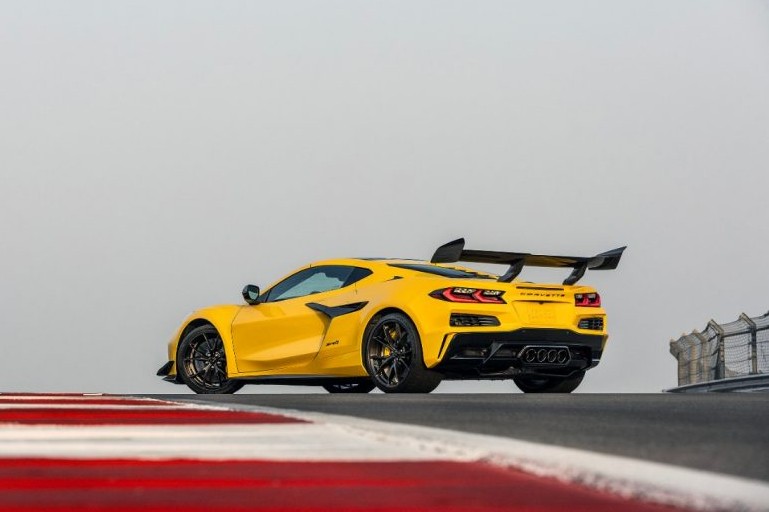
In a landmark moment for American performance cars, the Chevrolet Corvette ZR1 has been named the 2026 U.S. Supercar of the Year by TopGear.com in its inaugural U.S. Car Awards. This accolade isn’t just another trophy — it’s a validation that American engineering can compete at the highest levels of global performance automotive culture.
A Supercar Built to Impress
The Corvette ZR1 represents the cutting edge of Chevrolet’s performance ambitions. Powered by a twin-turbocharged 5.5-liter LT7 V8, it delivers a staggering 1,064 horsepower and 828 lb-ft of torque, making it the most powerful V8 ever assembled in the U.S. by an American automaker.
When equipped with performance-focused aero and suspension packages — such as the ZTK Performance and Carbon Fiber Aero options — it generates over 1,200 pounds of downforce at speed, giving it race-car levels of grip while still remaining road-legal.
Why It Took the Top Spot
For the Supercar of the Year category, TopGear.com editors and testers pitted the ZR1 directly against performance rivals like the Ford Mustang GTD — and while both cars impressed, the ZR1’s lap times and sheer performance potential made it the clear victor. According to Top Gear Editor-in-Chief Jack Rix, the ZR1’s blend of power, speed, and engagement was “simply irresistible.”
This isn’t just track bragging rights — it’s recognition from one of the most respected voices in automotive journalism, known for unbiased and thorough testing.
American Performance
This award marks more than just a win for Chevrolet — it’s a moment of pride for American automotive engineering. Traditionally, discussions of supercars have been dominated by European marques like Ferrari, McLaren, and Porsche. The ZR1’s accolade reshapes expectations, showing that a U.S.-built machine can stand toe-to-toe with the world’s best.
And since this was the first-ever U.S.-focused awards from Top Gear, it sets a benchmark for future American high-performance vehicles to chase.
Corvette’s Growing Legacy
The ZR1’s recognition comes amid a broader surge in performance acclaim for Chevrolet and GM:
- Its engine architecture has earned accolades in other awards circuits.
- Track performance figures — including record-setting runs — have turned heads globally.
This latest honor further cements the Corvette’s evolution from its muscle car roots into a true global performance contender.
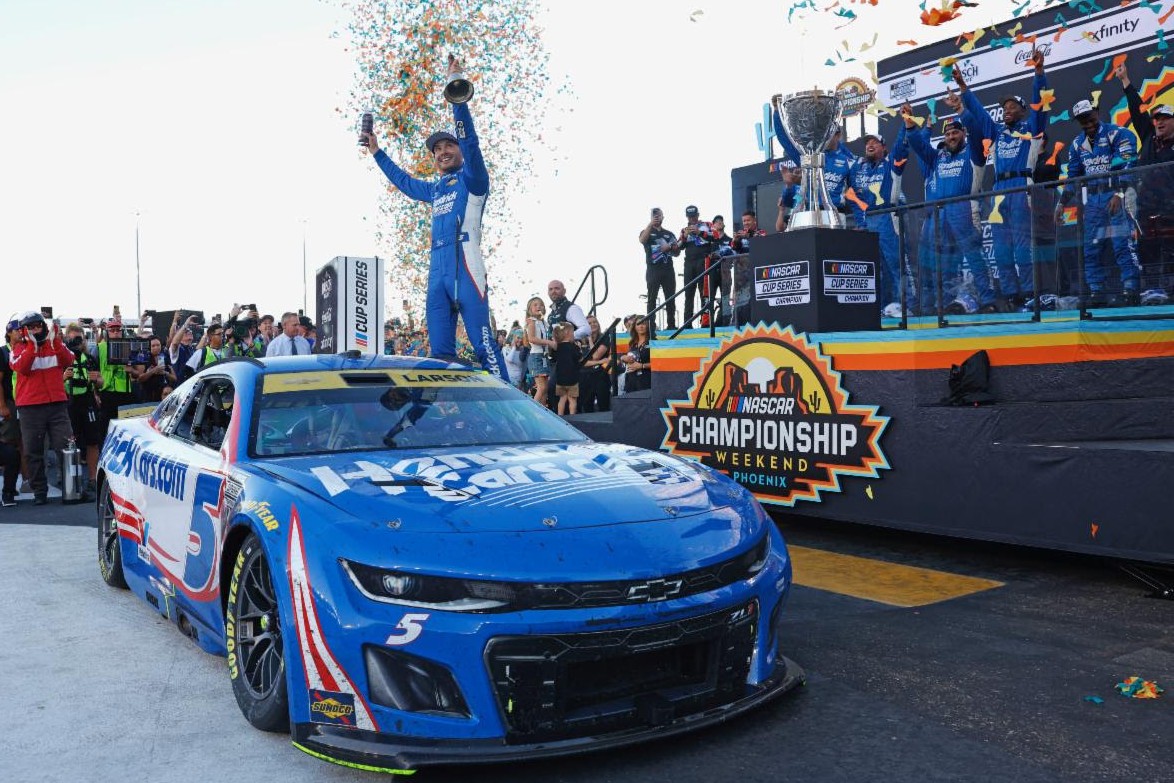
When the checkered flag dropped at Phoenix Raceway to close out the 2025 NASCAR Cup Series season, it wasn’t just Kyle Larson celebrating. With Larson’s victory in the No. 5 Chevrolet and his second career Cup Series Drivers’ Championship, Chevrolet clinched its fifth consecutive NASCAR Cup Series Manufacturers’ Championship — another milestone in a streak of dominance that shows no signs of slowing down.
That victory capped a banner year for Team Chevy across all three of NASCAR’s national series. In the Xfinity Series, Jesse Love drove the No. 2 Chevrolet to both the Drivers’ Championship and Chevrolet’s ninth straight Manufacturers’ title — underscoring the brand’s deep bench of talent and engineering excellence.
A Winning Formula Built on Teamwork
For Eric Warren, GM’s Vice President of Global Motorsport Competition, Chevrolet’s success isn’t the result of luck: it’s the outcome of a deliberate strategy that began several years ago.
“The momentum started in 2020 when we created GM Motorsports,” Warren explains. “The idea was to provide resources — especially in simulation — for all our partner teams so as not to duplicate efforts.”
That collaborative model unites powerhouse organizations like Hendrick Motorsports, Richard Childress Racing, and Trackhouse Racing under one banner. Though they’re fierce rivals on Sundays, they share information, data, and insights to keep Team Chevy collectively ahead.
“It’s like kindergarten recess sometimes. Everyone wants to go in a different direction,” Warren laughs. “But once you build momentum, it becomes a self-fulfilling prophecy. You attract better people, better drivers, and better teams.”
Investing in the Future
That shared vision also allows Chevrolet to think long-term, not just about the next race, but the next generation.
“If you’re fighting fires, you can’t invest in the future,” Warren says. “Our model allows us to look further down the road.”
In NASCAR’s Truck and Xfinity Series, where teams often operate on tighter budgets, Chevrolet’s centralized support provides a crucial edge. “If you look at Xfinity, a large part of why there’s a lot of Chevy teams is nobody else is able to quite scale the support that we provide,” Warren notes.
Chevrolet’s commitment extends beyond engineering to driver development. By scouting talent from across global motorsport, GM identifies young racers with the potential to succeed on NASCAR’s biggest stage. “Because of all the series we race in, we get exposed to talent at a much younger age,” Warren explains. “We can put drivers in different situations to understand who has the skills to thrive in NASCAR.”
Always in the Fight
Even when rival manufacturers bring faster cars to the track, Warren credits Chevrolet’s depth of talent and culture of collaboration for keeping the Bowtie brand in contention. “The talent and resiliency of our teams and drivers means that Chevrolet is never out of the conversation,” he says.
Looking ahead to 2026, GM Motorsports is already building on its momentum. Warren points to continued development in aerodynamics for the Truck Series and long-term planning for Xfinity and Cup programs, which are all aimed at keeping Chevrolet on top.
“We’ve done our homework for a while here,” he says. “It’s exciting to have the resources, but also to have all the teams and the drivers believe in the approach and that makes it tough for others to duplicate.”
A Legacy of Excellence
From Larson’s Cup triumph to Love’s Xfinity breakthrough, 2025 showcased the strength of Chevrolet’s racing ecosystem. It’s a story of collaboration, innovation, and relentless drive and one that cements Chevrolet’s place as the gold standard in NASCAR performance.
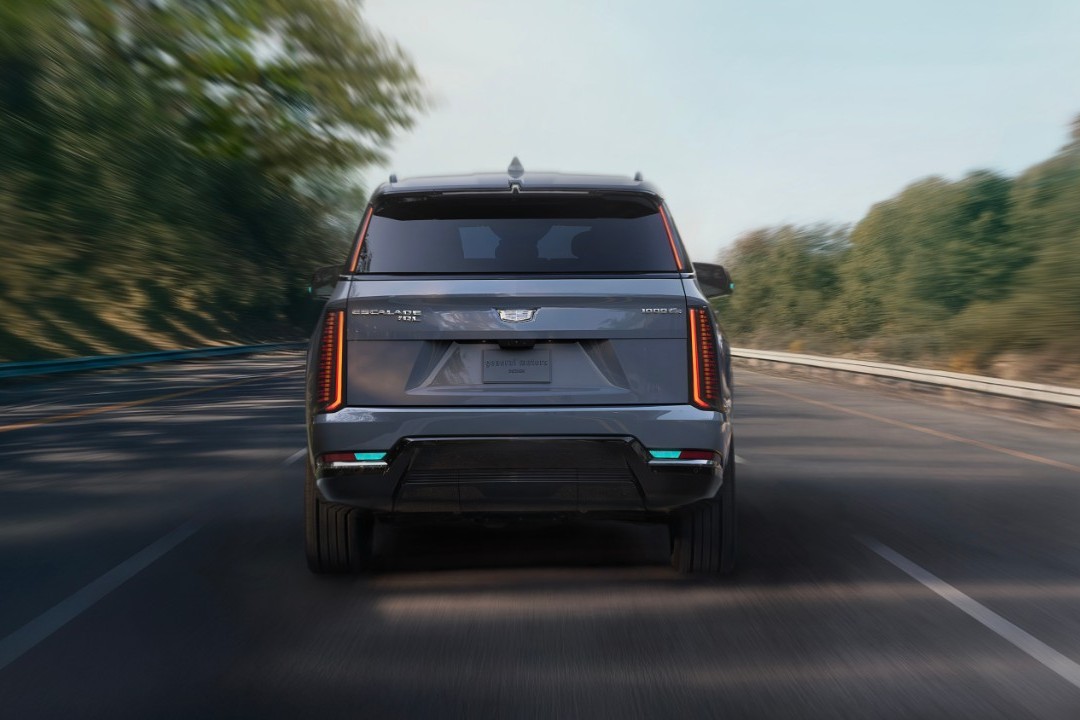
General Motors (GM) is driving into the future with a groundbreaking new centralized vehicle computing platform that will power both electric and gas-powered vehicles across its lineup — including Chevy and Cadillac models. The new system, launching first with the Cadillac ESCALADE IQ in 2028, redefines how GM vehicles are built, updated, and enhanced over time.
A New Era of Connected Intelligence for Cadillac and Chevy Drivers
GM’s new architecture represents a fundamental reimagining of how vehicle software, electronics, and performance work together. By consolidating dozens of control units into a single, powerful computing core, GM will unlock unprecedented levels of performance, reliability, and flexibility across both Cadillac luxury SUVs and Chevy trucks, sedans, and EVs.
This centralized computing platform simplifies design and boosts reliability, while allowing faster over-the-air updates — so your Chevy Silverado EV or Cadillac LYRIQ can receive new features and system upgrades without ever visiting a dealership.
Already, GM has more than 4.5 million vehicles capable of receiving these updates, with an additional two million joining that network each year.
Smarter, Faster, and More Connected
Imagine your Chevy Trailblazer or Cadillac CT5 responding instantly to remote commands, learning from your driving patterns, and delivering updates that make every ride smoother and safer. That’s the power of GM’s new computing platform.
With 1,000 times more bandwidth and a 10x increase in software update capacity, GM’s upcoming system ensures drivers stay connected with next-generation infotainment, safety, and autonomous driving technologies.
At the heart of this system is a liquid-cooled central compute unit powered by next-generation processors like NVIDIA Thor — the same kind of technology powering advanced AI systems. This core orchestrates everything from propulsion to braking, infotainment, and safety systems through a high-speed Ethernet backbone.
Designed for Scale and Flexibility
Whether you drive a Chevy Equinox EV or a Cadillac Escalade IQL, GM’s new architecture will deliver seamless performance and long-term upgradeability. The platform is propulsion-agnostic, supporting both electric and gas-powered vehicles — meaning innovation developed for one model can be scaled rapidly across the lineup.
GM’s new design also isolates hardware from the software layer, offering “hardware freedom.” This allows GM to update or swap out parts like cameras, brake actuators, or displays without rewriting the core software — keeping vehicles future-ready and reducing maintenance costs.
Built for the Next Generation of Chevy and Cadillac Innovation
With up to 35 times more AI computing power and double the infotainment performance, this platform lays the groundwork for features like hands-free driving, real-time safety updates, and continuously evolving entertainment experiences.
As Chevy and Cadillac move toward an era of intelligent mobility, this technology ensures every GM vehicle remains connected, responsive, and upgradeable — from your favorite Chevy accessories to the most advanced Cadillac driver-assistance systems.
The Road Ahead
GM’s centralized computing platform marks a major leap toward a smarter, more connected future — one where Chevy and Cadillac vehicles don’t just perform better but get better over time.
Cars that learn and improve, architectures that deliver real-time intelligence, and platforms that merge digital innovation with automotive craftsmanship — that’s the promise of GM’s next-generation computing revolution.
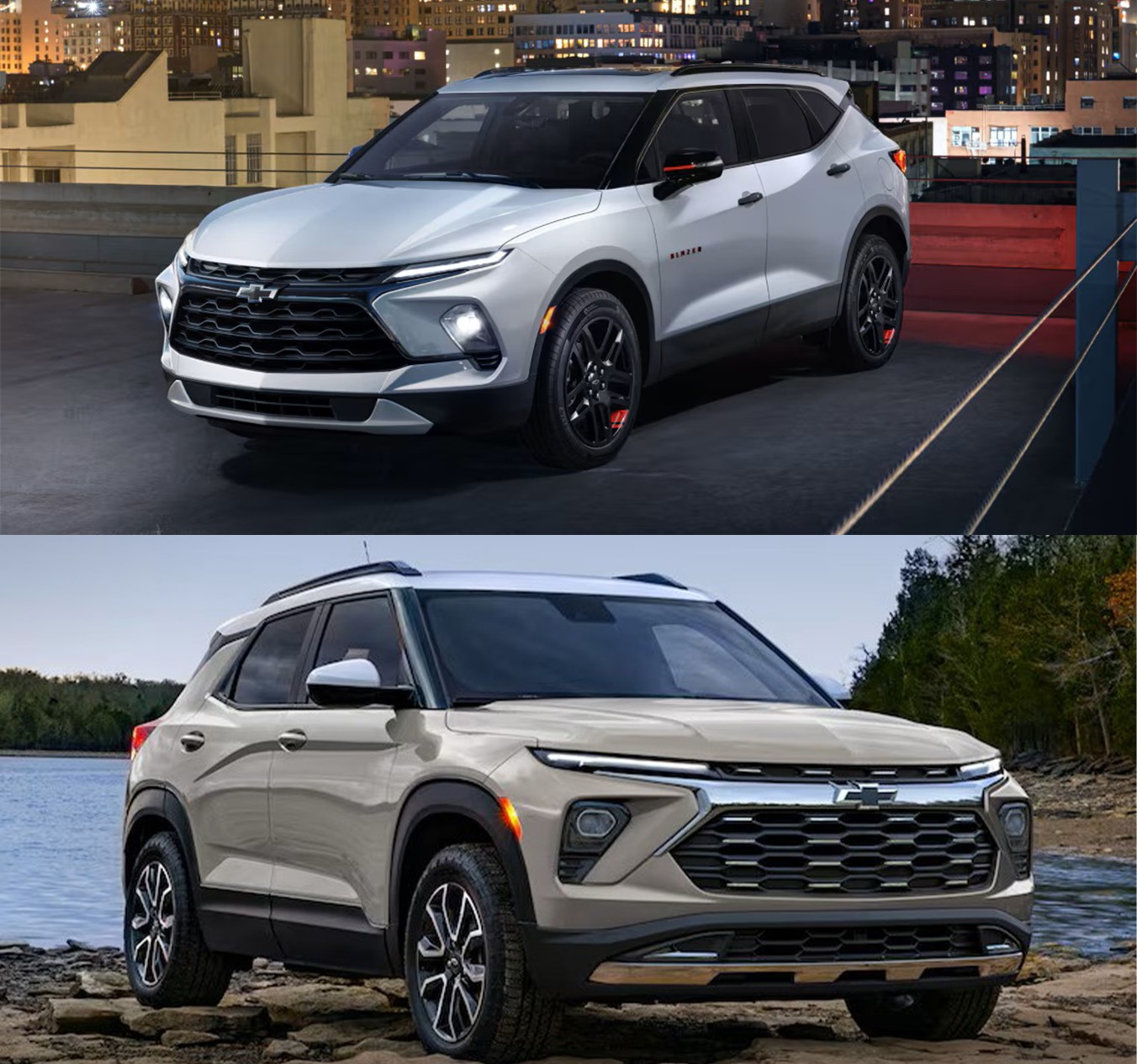
If you’re looking at a new SUV from Chevrolet, two names that often show up in the conversation are the Chevrolet Trailblazer and the Chevrolet Blazer. The names are similar and the styling shares some cues, but in reality they’re aimed at very different kinds of buyers. In this blog‑style post, I’ll run through what each model brings to the table (size, performance, features, cost) and then help you figure out which one might be right for you.
Meet the Players
Chevrolet Trailblazer
The Trailblazer is the smaller, more compact crossover of the two. It’s positioned as a city‑friendly SUV or an affordable entry into the Chevrolet SUV lineup — think maneuverability, efficiency, and a modest price tag.
Key highlights:
- Starts at a significantly lower price point compared to the Blazer.
- Engine options are smaller: e.g., 1.2 L or 1.3 L turbocharged engines producing ~137 to 155 hp and ~162 to 174 lb‑ft of torque.
- Excellent for fuel economy: one estimate gives up to ~29‑33 mpg highway for the FWD with the 1.3L engine.
- Dimensions are compact: length in the ~174 inch range, width ~71 inches (varies by year) so easier to park, navigate tight urban streets.
- Cargo / interior space: respectable, but less than the Blazer. Example: ~25.3 cu ft behind second row, ~54.4 cu ft with seats folded (2024 numbers) for Trailblazer in one source.
- Towing capacity is modest. Several sources note the max capacity is far lower than the Blazer’s.
Chevrolet Blazer
The Blazer is the “bigger sibling” — a midsize crossover that delivers more performance, more space, and a more premium feel (and cost) than the Trailblazer.
Key highlights:
- Price starts higher than for the Trailblazer.
- Engine options significantly more robust: e.g., standard 2.0 L turbo 4‑cyl (~228 hp/258 lb‑ft) and optional 3.6 L V6 (~308 hp) in some trims.
- Larger dimensions: one source lists length ~191.8 inches, width ~76.7 inches.
- Cargo volume: e.g., up to ~30.5 cu ft behind second row, ~64.2 cu ft with seats folded in 2025 model.
- Towing capacity is much higher. For example a properly equipped Blazer can tow up to ~4,500 lbs in some situations.
- Because of the size and power, fuel economy is lower than the Trailblazer. For example, ~22/29 mpg city/highway or worse depending on engine/drive configuration.
Which One Is Right for You?
When you’re deciding between the Trailblazer and the Blazer, think about your real needs, budget, and lifestyle. Here are some guiding questions and scenarios.
Choose the Trailblazer if…
- Your budget is tighter and you want to keep purchase price, insurance, fuel costs down.
- You primarily drive in the city or suburbs: commuting, errands, parking tight spaces, shorter distances.
- You don’t need large towing capacity or to haul heavy loads (e.g., boat/trailer).
- You carry people and cargo, but maybe not often large items or bulk gear — you’re OK with moderate space.
- Fuel economy is relatively important for you.
- You want a sensible, all‑round crossover with decent features for the money.
Choose the Blazer if…
- You have more budget to spend (purchase + fuel + potentially insurance) and you want more capability.
- You drive longer distances, highway travel, maybe cross‑country, or you want more comfort on longer trips.
- You regularly carry more cargo or passengers and want the extra space/capacity.
- You might need to tow more (e.g., trailer, boat, larger equipment) or want more performance.
- You care about a more premium (or sporty) driving feel, stronger engine, more tech and features.
- You’re OK with a slightly larger vehicle (size, footprint) and associated costs.
Some Practical Scenarios
- If you’re a young professional living in a city, with occasional weekend trips, no heavy towing, and you prioritize low cost and efficiency → Trailblazer makes a lot of sense.
- If you’re a family of 4 who regularly takes road trips, carries gear (camping, sports, etc.), maybe has a boat/trailer, wants a sharper driving experience → Blazer is likely the better fit.
- If most of your driving is stop‑and‑go, parking garages, tight urban streets: the Trailblazer will feel less cumbersome.
- If you value comfort, space and power, and don’t mind paying more, the Blazer delivers more vehicle for the money (although at higher cost).
Final Thoughts
Neither vehicle is “wrong” — each is well suited for a different mission. The Trailblazer is the smart, efficient choice; the Blazer is the more robust, upscale choice. Human nature often drives us toward “bigger is better,” but that’s not always the optimal decision when you factor in cost of ownership, parking/urban use, fuel, and how you actually drive.
To summarize:
- Go Trailblazer if you want good everyday utility at a lower cost, efficient city/suburb driving, and modest needs.
- Go Blazer if you want more space, more power, more capability, and you’re willing to spend more and accommodate a larger vehicle in your lifestyle.
Chevy’s Pink Corvette Stingray Pace Car Returns to NASCAR to Drive Breast Cancer Awareness
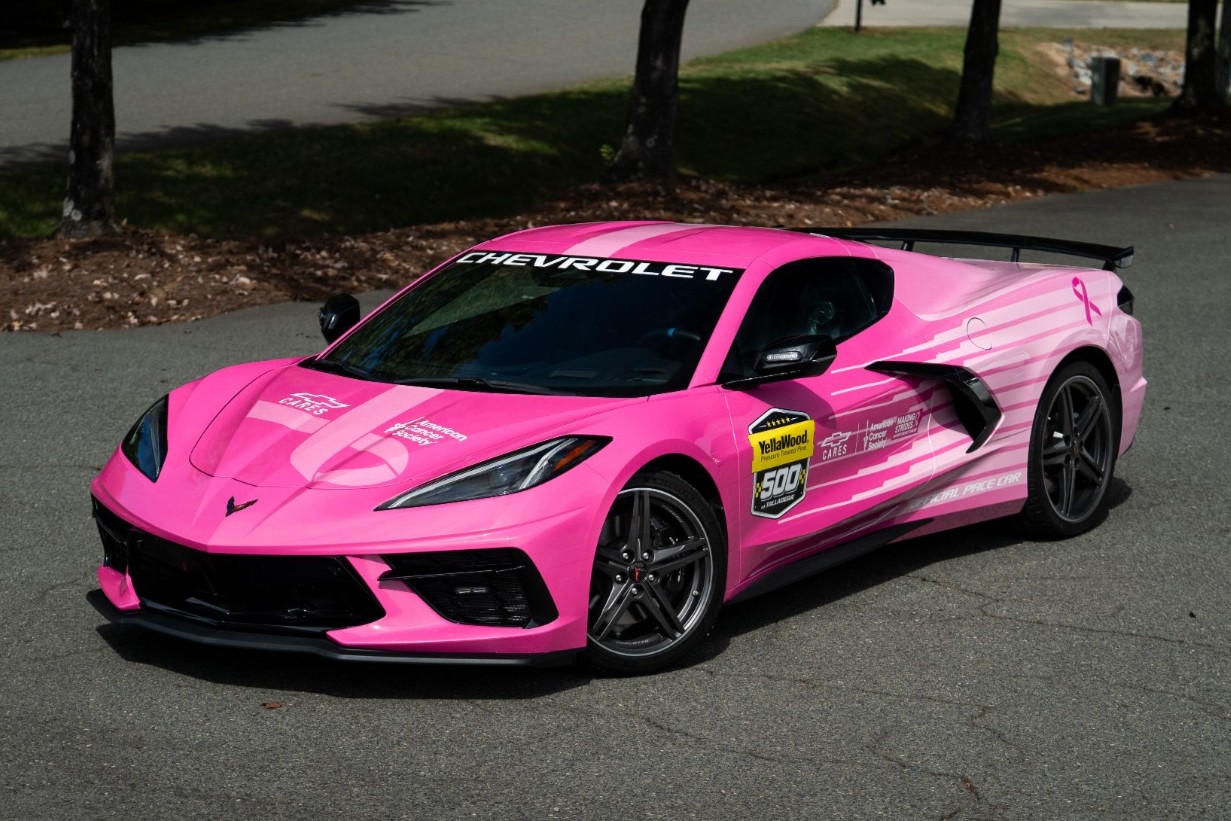
This October, Chevrolet is once again putting the power of pink in the spotlight. As part of its ongoing support for the American Cancer Society (ACS), Chevy has brought back its specially-themed pink Corvette Stingray pace car to lead the field in two of NASCAR’s biggest fall races — a bold and eye-catching symbol of the automaker’s 15-year commitment to the fight against breast cancer.
The vibrant pink Stingray will pace the NASCAR Cup Series at Talladega Superspeedway and Martinsville Speedway, proudly representing the “Making Strides Against Breast Cancer” initiative. This campaign raises both awareness and critical funds for breast cancer research, support services, and education — a cause that touches millions across the country.
“Chevrolet stands with the American Cancer Society’s efforts to end breast cancer,” said Todd Christensen, Director, Motorsports Marketing & Activation at Chevrolet. “When the pink Chevrolet Corvette Stingray pace car leads the NASCAR Cup Series field for the next two weeks, we hope fans will join us in raising funds for ACS by participating in ‘Making Strides Against Breast Cancer’ events across the US this October.”
Lap by Lap, Dollar by Dollar
Chevrolet has pledged $500 for every caution lap the pink Stingray leads during the two featured races, up to $25,000. That means each yellow flag moment on track directly translates into support for those battling breast cancer.
But that’s not all. In a high-stakes twist, Chevy will also donate $1,500 for every Team Chevy driver that finishes in the top 10 at either Talladega or Martinsville — potentially doubling the impact depending on race outcomes.
A Legacy of Support
Last year, the campaign saw 54 caution laps across both events, resulting in an $18,900 donation to the American Cancer Society. The 2024 pink Camaro SS pace car used in that campaign is set to go under the hammer at the Barrett-Jackson Scottsdale Fall Auction on Friday, October 17. Chevrolet will donate 100% of the hammer price to ACS, continuing to drive impact off the track as well.
First Stop: Talladega
The 2025 campaign kicks off this Sunday, October 19, at the YellaWood 500 at Talladega Superspeedway — a key race in the NASCAR Cup Series playoffs. The pink Corvette Stingray will make its much-anticipated debut during the penultimate race of the Round of Eight, ensuring maximum visibility during one of the most-watched weekends in motorsports.
Join the Drive
Chevy’s commitment to “Making Strides Against Breast Cancer” goes beyond aesthetics. The pink Corvette Stingray is more than just a pace car — it’s a mobile reminder of the power of community, hope, and horsepower in the fight against breast cancer.
Whether you’re at the track, tuning in from home, or walking in a local Making Strides event, there are many ways to support the cause this October. Because every lap, every finish, and every step matters.
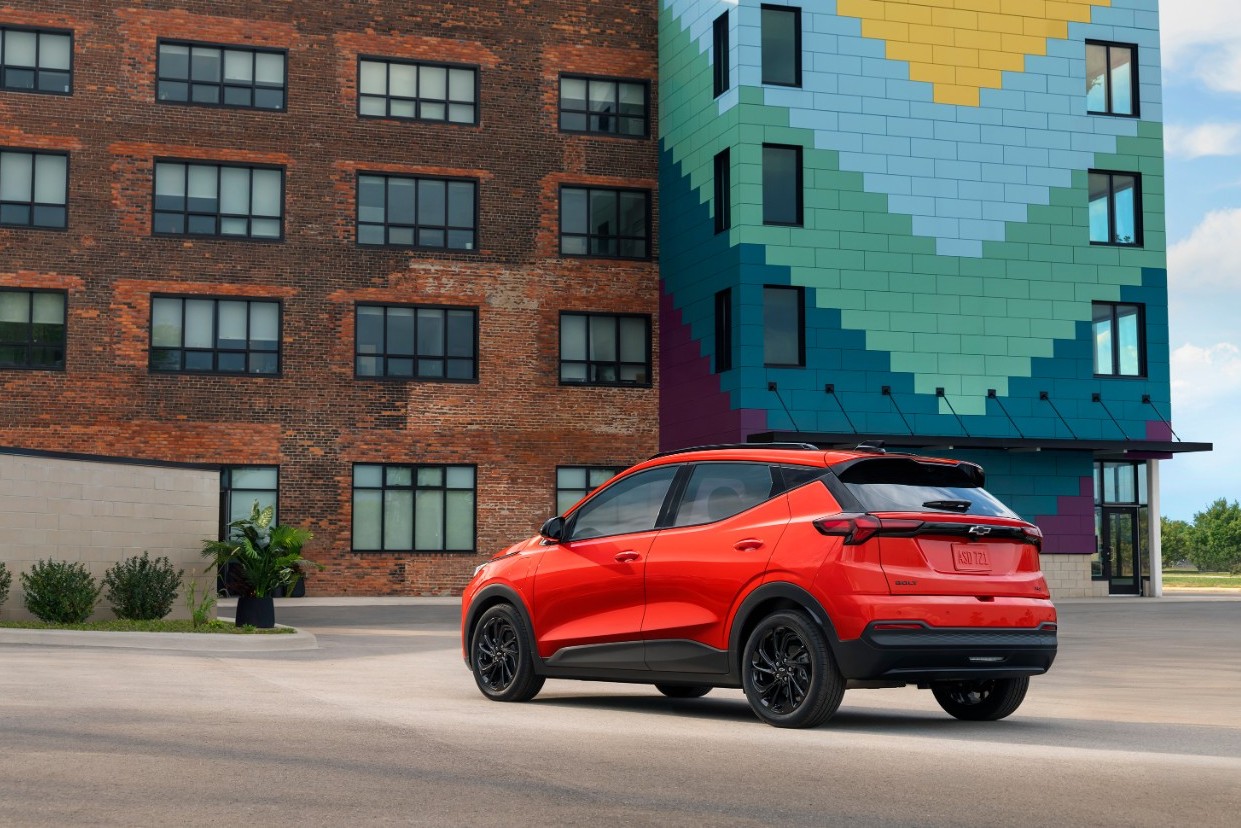
After a short time away, the Chevrolet Bolt is making a comeback — and it’s not just nostalgia driving it. The 2027 Chevy Bolt returns by popular demand, promising a refined, smarter, and faster electric experience at a price that doesn’t shock your wallet. With a starting MSRP of $29,990 (including destination), and an even more affordable $28,995 model coming later in the year, the Bolt is set to reclaim its title as America’s most affordable long-range EV.
EV Affordability, Redefined
Chevrolet is doubling down on what made the original Bolt beloved: practicality, range, and price. The 2027 model offers a GM-estimated 255 miles of range and DC fast charging up to 150 kW, meaning it can charge from 10% to 80% in just 26 minutes. That’s over 2.5x faster than the outgoing model.
Even better, it’s the first Chevy to come with a native NACS (North American Charging Standard) port, giving Bolt drivers access to more public chargers than ever before — including Tesla’s Supercharger network.
Smarter Tech, Inside and Out
This isn’t just a rehash of the old Bolt — the 2027 model is packed with the latest GM tech:
- 11.3-inch infotainment screen and 11-inch driver display with Google built-in
- Access to apps like Angry Birds, HBO Max, Chrome, Prime Video, and GameSnacks
- Super Cruise hands-free driving with improved Google Maps integration
- Voice control for climate, calls, texts, and even smart home devices via “Hey Google”
Your daily commute just became a lot more connected — and a lot more fun.
Built on a Smarter Powertrain
Underneath its familiar hatchback silhouette is GM’s most advanced EV drivetrain yet. The Bolt is powered by GM’s in-house X76 electric drive unit, which offers:
- Greater efficiency with less reliance on rare-earth materials
- Segmented magnets to reduce heat and energy loss
- Silicon carbide inverter tech for improved battery-to-motor performance
- Blended regenerative braking for better range and smoother stopping
Charge at Home. Power Your Home.
One of the most exciting new features is Vehicle-to-Home (V2H) capability. When paired with a GM Energy Home System, the 2027 Bolt can help power your home during an outage. With most Americans driving under 50 miles a day, the Bolt has more than enough range for daily use while offering peace of mind during emergencies.
Practicality + Personality
Chevrolet didn’t forget about the everyday perks either:
- A roomy hatchback layout
- Heated and ventilated front seats, heated steering wheel
- A redesigned cabin with more storage, open console, and available panoramic sunroof
- Multiple USB-C ports and wireless phone charging
- Over 20 standard safety features, including Intersection Collision Mitigation, Rear Automatic Braking, and Rear Cross Traffic Alert with Braking
Introducing the Bolt RS: Sporty Meets Smart
For the first time, the Bolt is available in a sporty RS trim, featuring:
- Unique RS badging
- Gloss black wheels and roof rails
- An exclusive Atomic Yellow exterior with red interior accent stitching
It’s a bold, fun option for drivers who want style to match their smarts.
Limited Run. Big Opportunity.
Chevy is positioning the 2027 Bolt as a limited run model — a celebration of one of its most beloved EVs. So if you’ve been waiting for an affordable, feature-packed EV that doesn’t cut corners on tech or performance, this is your moment.
The Bolt is expected to begin shipping early next year, joining the Equinox EV in Chevrolet’s growing — and impressively affordable — electric lineup.
Final Thoughts
The 2027 Chevrolet Bolt marks a turning point in the EV market — not just because it’s affordable, but because it refuses to compromise on performance, range, or technology. With a bold new look, smarter powertrain, and the tech features EV drivers actually want, this isn’t just a comeback — it’s a glow-up.
If you’ve been holding out for the right EV, your wait might just be over.
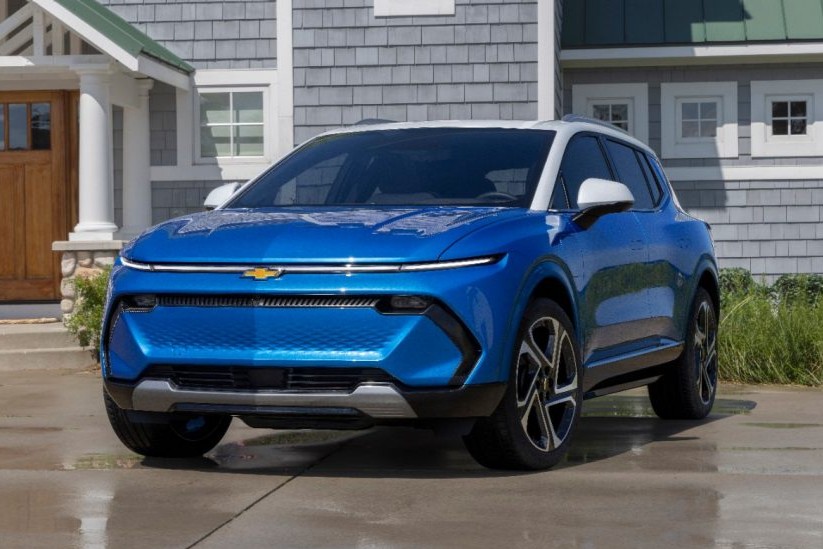
Chevrolet is charging ahead in the electric vehicle (EV) race—and now it has the hardware to prove it. The 2025 Chevrolet Equinox EV and the 2026 Chevrolet Silverado EV have just been named Top Picks in their respective categories by Cars.com, a leading automotive marketplace and resource for car shoppers.
The Equinox EV earned the title of Top Pick: Value EV, while the Silverado EV was named Top Pick: EV Pickup Truck. These awards recognize not only Chevrolet’s technological innovation and performance but also the brand’s commitment to making EVs more accessible and capable for real-world drivers.
Equinox EV: Affordable, Stylish, and Ready to Go
If you’ve been holding out for an EV that won’t blow your budget, Cars.com says the Chevrolet Equinox EV deserves your attention. With a sleek design, family-friendly features, and a starting price under $35,000, the Equinox EV makes electric driving more accessible than ever.
According to Cars.com, “If you’re interested in a good EV that won’t break the bank, you should look at the Chevrolet Equinox EV.” The site praised the compact SUV’s combination of affordability, long range, and appealing styling—noting that those attributes are key in today’s shifting EV market.
As federal EV tax credits are set to expire at the end of September, shoppers are racing to lock in savings. But even after the federal incentives expire, many state and local rebates will remain in place, helping buyers make the switch to electric.
Silverado EV: Power, Range, and Real-World Capability
Chevrolet’s EV momentum doesn’t stop with crossovers. The 2026 Silverado EV continues to redefine what a truck can do—with Cars.com highlighting its impressive up-to-493-mile range, 12,500-pound towing capacity, and rugged capability.
“Range anxiety is not something that should be much of a concern for Chevrolet Silverado EV drivers,” wrote Cars.com. Thanks to a massive 205-kWh battery and up to 350-kW DC fast-charging, the Silverado EV is built for both endurance and convenience.
Beyond range, Cars.com also applauded the truck’s maneuverability, payload capacity (up to 2,350 pounds), and the fact that it still delivers the hard-working toughness truck owners expect.
Chevy’s EV Strategy Is Paying Off
These accolades come at a time when General Motors is seeing record-breaking EV sales. In August alone, GM sold more than 21,000 EVs, its highest monthly total ever. The Equinox EV and Silverado EV have been key drivers of this success, along with the Cadillac LYRIQ and GMC Sierra EV.
Scott Bell, vice president of Chevrolet, summed it up best:
“These awards mean a lot, not just because they highlight range, capability and value, but because they show that we’re delivering on our mission: building EVs that customers can count on.”
The EV Market Is Evolving—And Chevy Is Leading the Way
As new models hit the market and prices shift, Cars.com noted that new EV inventory rose by 1.4% year-over-year in August, while used EV inventory surged by 38%. With more options and greater availability, shoppers have more reasons than ever to consider electric.
Whether you’re looking for a practical daily driver or a workhorse with zero tailpipe emissions, Chevy now has award-winning options for both ends of the EV spectrum.
Looking to go electric? The time to explore Chevrolet’s EV lineup, especially the Equinox EV and Silverado EV, is now.

If you’re searching for a powerful electric SUV that blends performance, style, and innovation, look no further than the 2025 Chevy Blazer EV SS. As Chevrolet’s first electric performance SUV, the Blazer EV SS trim brings serious muscle to the all-electric lineup. Whether you’re a longtime Chevy enthusiast or a newcomer considering your first EV, the Blazer EV SS is a game-changer worth a closer look.
Electric Power Meets Super Sport Performance
The Blazer EV SS is not your average SUV. It carries the legendary SS (Super Sport) badge—an iconic symbol of Chevrolet performance—and it lives up to the name. With an estimated 557 horsepower and up to 648 lb-ft of torque, the Blazer EV SS delivers thrilling acceleration, going from 0 to 60 mph in under 4 seconds (with Wide Open Watts mode activated).
This isn’t just another electric vehicle; it’s a true performance SUV engineered for drivers who crave speed, control, and cutting-edge technology.
Ultium Platform Powertrain
Like other Chevy electric vehicles, the Blazer EV SS is built on GM’s Ultium platform, offering high energy efficiency, impressive range, and rapid charging capabilities. The SS trim features all-wheel drive (AWD) as standard, giving drivers confident traction in all weather conditions and making it ideal for performance enthusiasts and families alike.
With an estimated range of up to 290 miles on a full charge, the Blazer EV SS balances power with practicality, making it perfect for both daily commutes and weekend adventures.
Aggressive Design, Inside and Out
The 2025 Chevy Blazer EV SS doesn’t just perform like a muscle car—it looks the part too. This trim features a bold, athletic stance with exclusive SS badging, unique front and rear fascias, a black roof, and performance wheels. It’s designed to turn heads on the road.
Inside, you’ll find a driver-focused interior, with premium touches like:
- A massive 17.7-inch diagonal touchscreen
- 11-inch digital driver display
- Heated and ventilated front seats
- Flat-bottom sport steering wheel with SS logo
- Ambient lighting and customizable drive modes
Tech-Packed and Future-Ready
Chevrolet has equipped the Blazer EV SS with the latest technology for convenience, safety, and entertainment. Some of the top features include:
- Chevy Super Cruise™ hands-free driving on compatible roads
- Google Built-In for seamless connectivity
- Wireless Apple CarPlay and Android Auto
- Over-the-air software updates
Advanced safety features like Automatic Emergency Braking, Lane Keep Assist, and more
Why Choose the Chevy Blazer EV SS?
If you’re in the market for a Chevy electric SUV with attitude, the Blazer EV SS should be at the top of your list. It’s perfect for drivers who want:
- A performance-focused EV with AWD
- Bold design with SS-exclusive features
- Long-range electric driving with fast charging
- Advanced tech and driver assistance features
Whether you’re upgrading your vehicle or making the switch to electric for the first time, the 2025 Chevy Blazer EV SS offers the perfect mix of speed, sophistication, and sustainability.
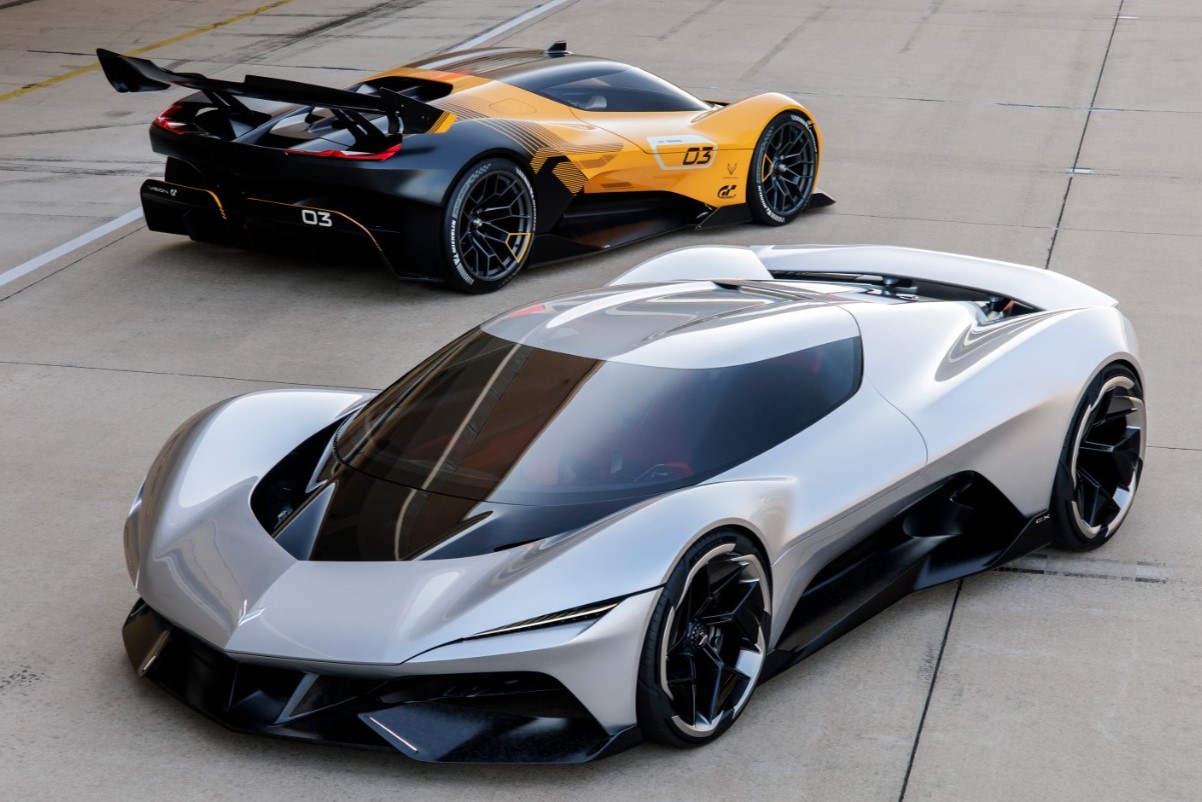
At The Quail, a Motorsports Gathering, Chevrolet has taken the wraps off two futuristic Corvette concepts that boldly redefine what America’s iconic sports car could become. Say hello to the Corvette CX and the Corvette CX.R Vision Gran Turismo—radical expressions of performance, technology, and design that push beyond the boundaries of production vehicles and give us a thrilling look at the high-performance future of the Corvette brand.
Corvette CX: Electric Power Meets Fighter Jet Style
Unveiled in gleaming silver with a stance that screams “next-generation supercar,” the Corvette CX concept reimagines the Corvette for both the road and the racetrack. Though not slated for production, this concept embodies the uncompromised vision of a street-legal performance machine born from over 70 years of Corvette heritage.
From every angle, the CX is unmistakably Corvette—with a forward-lunging nose, sharp horizontal “chine” lines, and iconic dual-element taillights—but now infused with a wildly futuristic aesthetic. The sleek, low-slung body (less than 41 inches tall!) is built around a fighter jet-inspired cockpit canopy that opens forward to welcome driver and passenger into a high-tech, driver-focused cabin.
Inside, you’ll find Inferno Red ballistic textiles, premium silicone leather, and forged carbon accents—a bold interior that prioritizes both luxury and performance. A fully digital windscreen replaces traditional gauges with immersive real-time driving data, and nearly all controls are embedded within the steering wheel for an ultra-focused experience.
Electric, All-Wheel Drive, and 2,000 Horsepower
Under the skin, the Corvette CX is nothing short of revolutionary. Powered by four electric motors, one at each wheel, this AWD supercar generates more than 2,000 hp and utilizes four-wheel torque vectoring for unmatched grip and cornering prowess.
The 90-kWh battery is mounted low in the chassis to ensure ideal weight distribution and a low center of gravity. And with a Vacuum Fan System working in harmony with active aero components like front diffusers and a dynamic rear wing, the CX actively manages airflow in real-time to maximize downforce and grip.
Corvette CX.R Vision Gran Turismo: Built for the Digital Track and the Real World
If the CX represents the ultimate road-going Corvette of the future, the CX.R Vision Gran Turismo (VGT) is its wild, race-bred sibling—built purely for the track and destined to burn virtual rubber in Gran Turismo 7.
Designed with even more aggressive aero, lighter weight, and a lower ride height, the CX.R VGT embodies Corvette’s deep racing pedigree. Finished in a bold yellow and black livery, it pays tribute to Corvette Racing’s legacy while launching that heritage full speed into the future.
Inside, the cabin is stripped down and built for business. Raw carbon fiber, suede-wrapped foam, and racing-specific seating replace luxury with high-performance function. Everything about this car screams speed—and the numbers back it up.
Hybrid V8 Power with Electrified Punch
Unlike its all-electric sibling, the CX.R VGT pairs a high-revving, 2.0-liter twin-turbo V8 (redlining at 15,000 RPM) with three electric motors—one at each front wheel, and one built into the gearbox. Fueled by renewable e-fuel, this hybrid powertrain produces a jaw-dropping 2,000 hp and delivers that power via an 8-speed dual-clutch transmission.
From Concept to Console: Coming to Gran Turismo 7
Chevy didn’t just design these cars to sit pretty on a podium. Working closely with Polyphony Digital Inc., the team behind Gran Turismo 7, both the CX and CX.R VGT will be drivable in-game later this month. Gamers and car lovers alike will get the chance to experience these radical designs virtually—complete with detailed chassis, powertrain, and aerodynamic modeling developed in partnership with Chevrolet engineers.

Chevrolet’s 2026 Silverado EV comes in three primary trims, each offering unique value, capability, and styling:
- Work Truck (WT)
- LT
- Trail Boss (New for 2026 — off‑road focused)
Each trim is available across three battery sub‑trims depending on range and performance needs:
- Standard Range
- Extended Range
- Max Range
Work Truck (WT)
A no-nonsense, purpose-built trim for utility-first drivers:
Sub‑Trims
WT Standard Range
- Range: ~286 miles
- Price: $54,895
WT Extended Range
- Range: ~424 miles
- Price: $68,295
WT Max Range
- Range: ~493 miles
- Price: $76,295
Highlights
- Standard 17.7″ infotainment + 11″ driver display
- Roughly 510 hp on all WT trims; extended/max models increase torque slightly
- Best-in-class towing and payload capabilities, with up to 10.2 kW offboard power and 11 outlets on higher trims
LT Trim
The middle ground between basic and adventurous, offering a compelling suite of comfort and tech:
Sub‑Trims
LT Standard Range
- Range: ~283 miles
- Price: $62,995
LT Extended Range
- Range: ~410 miles
- Price: $71,195
LT Max Range
- Range: ~478 miles
- Price: $91,295
Highlights
- Adds Uplevel LED lighting, illuminated “bowtie,” Multi‑Flex Tailgate/Midgate, and 18″ gloss black wheels
- Power: 645 hp (Extended), 760 hp (Max); torque up to 765 lb‑ft
- Offers Premium and Plus option packages: Super Cruise, Tech and Comfort upgrades, Midgate, fast charging, spray‑on bedliner, etc.
Trail Boss (New 2026 Trim)
Tailored for adventure seekers—Chevrolet’s rugged, electrified off‑road workhorse
Sub‑Trims
Trail Boss Extended Range
- Range: ~410 miles
- Price: $72,095
Trail Boss Max Range
- Range: ~478 miles
- Price: $88,695
Highlights
- Performance: 625 hp (Extended), 725 hp (Max) and 775 lb‑ft torque
- Off-road kit includes 2″ lift, coil suspension with hydraulic rebound, 18″ wheels with 35″ all-terrain tires, skid plates, recovery hooks, high‑angle bumper, and exclusive badging/interior
- Unique driving modes: Terrain mode (sharper four‑wheel steering at low speeds), Sidewinder for diagonal maneuvering, and off‑road mode
- Super Cruise with towing is standard; enhanced driver assist tech included
- New exclusive exterior colors: White Sands, Polar White Tricoat, Magnus Gray Matte Metallic—added for Trail Boss
- Towing capacity up to 12,500 lbs and 2,100 lbs payload (Extended Range)
Take Your Pick
The 2026 Chevrolet Silverado EV lineup offers a versatile range of trims and sub-trims tailored to meet the needs of every driver—from hard-working fleet owners and daily commuters to off-road enthusiasts. Whether you’re eyeing the practical Work Truck, the well-equipped LT, or the rugged new Trail Boss, each trim provides multiple battery options, cutting-edge technology, and impressive performance. With ranges reaching nearly 500 miles and towing capacities up to 12,500 pounds, the Silverado EV proves that electric doesn’t mean compromising on power or capability. As the electric truck market continues to grow, the 2026 Silverado EV stands out as a compelling, future-ready choice for buyers ready to go all-electric without sacrificing utility or style.
Connect with us

